The Timber
The legacyof teak.
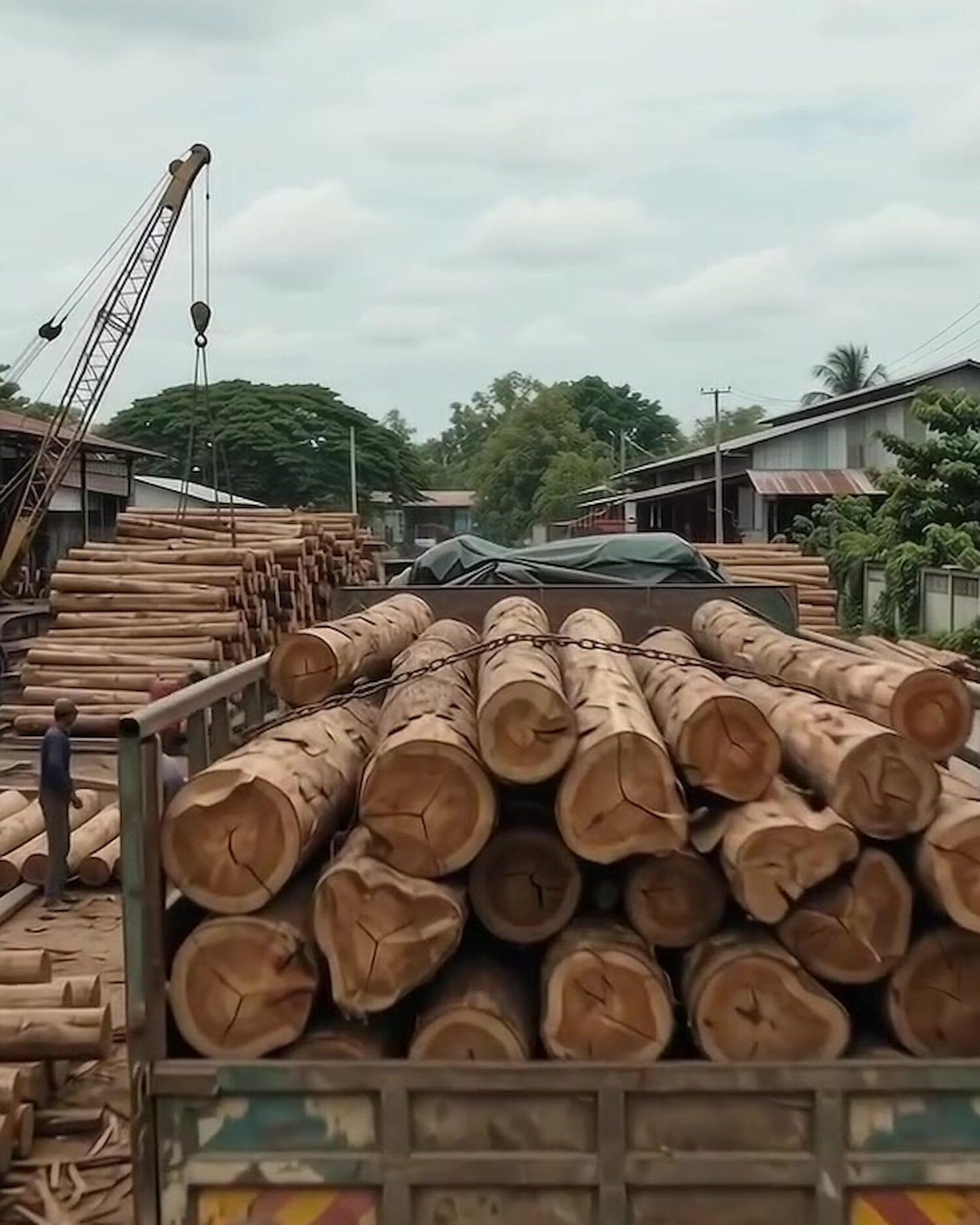
Centuries of hard use in ships, temples and furniture built the reputation. The timber earned it.
The Species
Tectonagrandis.
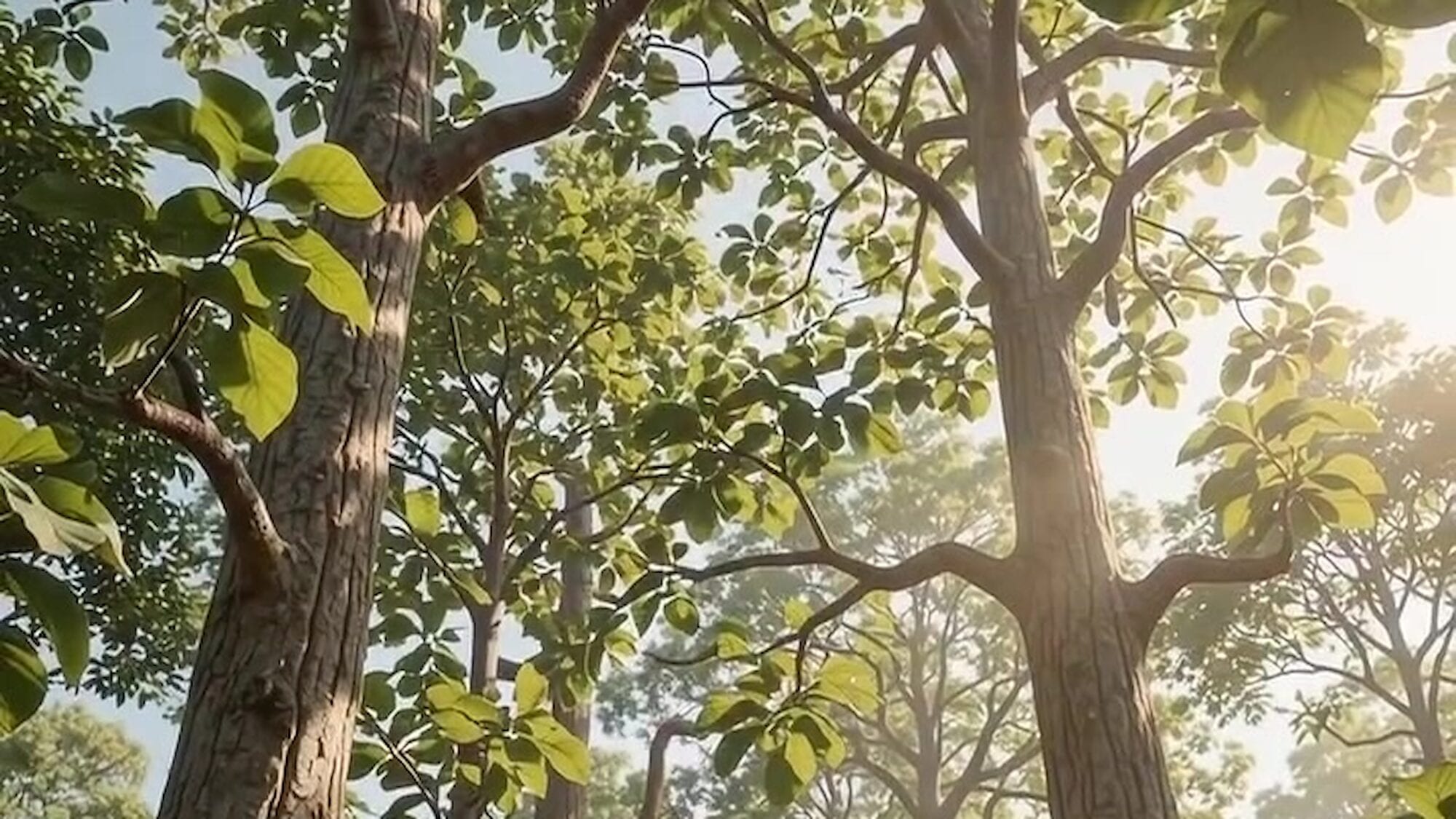
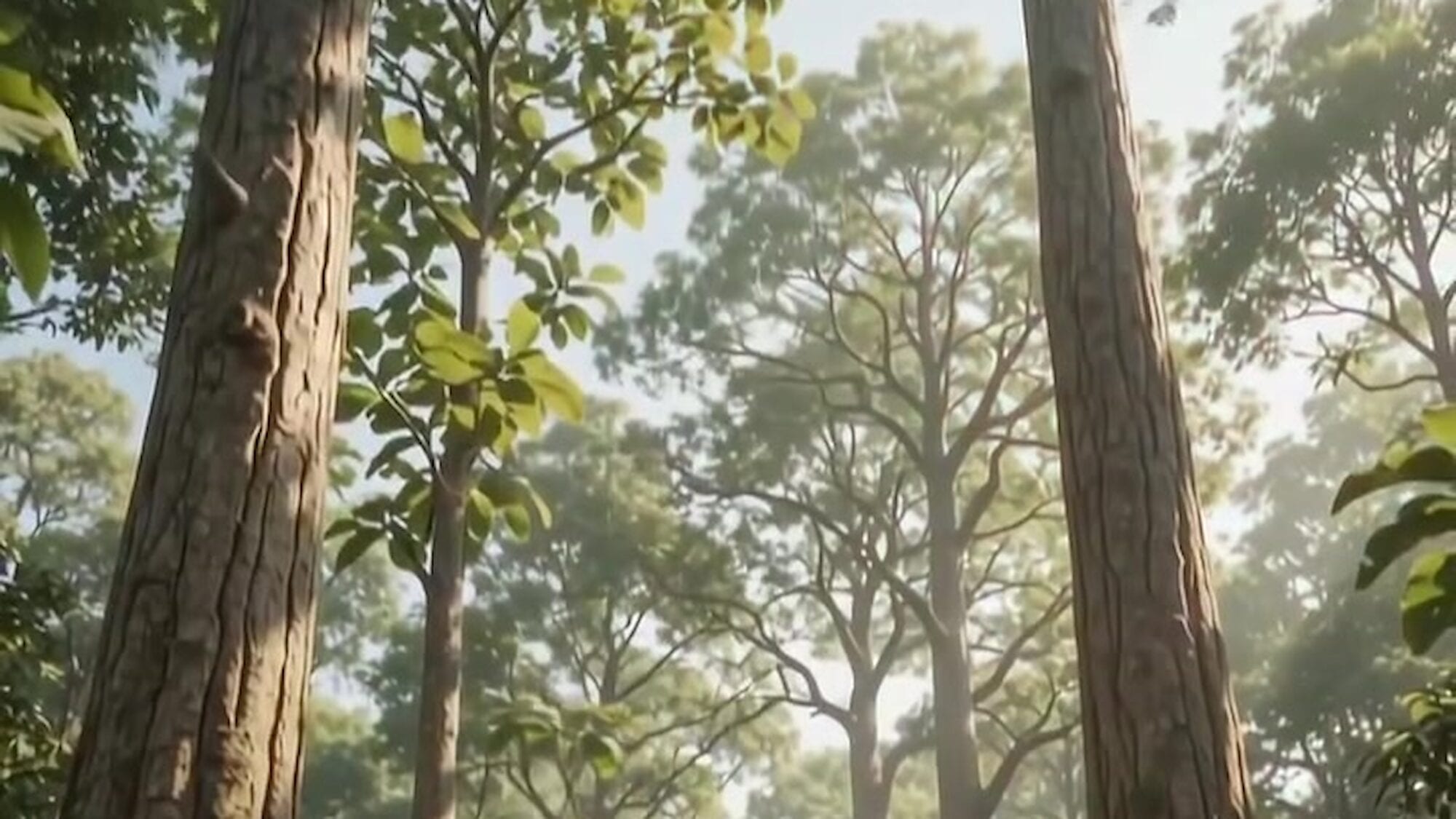
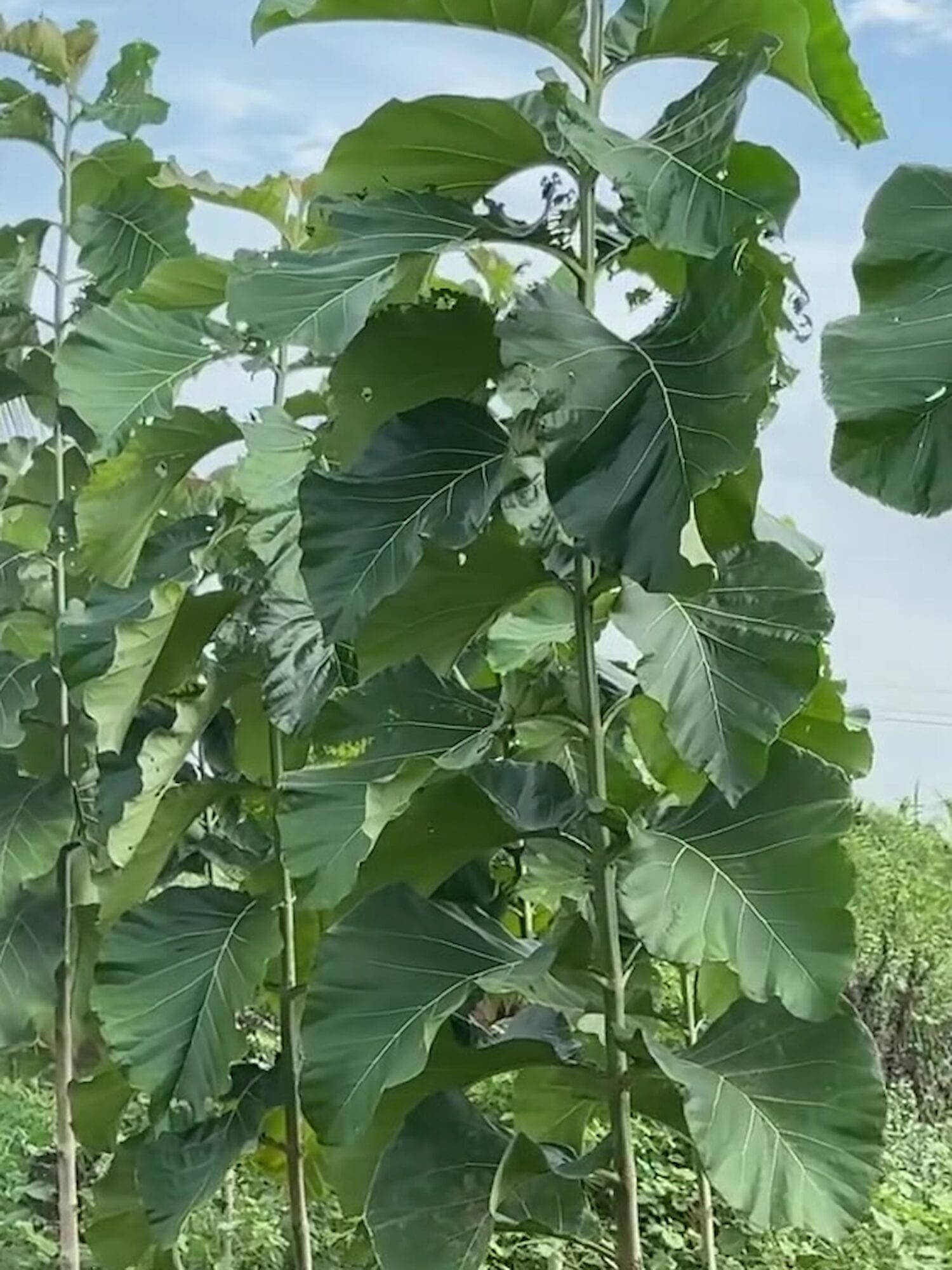
Teak is a large deciduous hardwood native to South and Southeast Asia — broad leaves, a straight bole, and heartwood that carries its own protection in the form of natural oils and silica.
“Burma teak” names the standard the timber trade set long ago for slow-grown, tight-grained, well-formed teak. It describes a quality of timber and the growing conditions that produce it, not a shortcut: the same standard is only reached elsewhere by giving the tree the same time and the same care.
That is the whole proposition of a managed plantation. You cannot hurry the chemistry that makes teak worth having — you can only make sure nothing gets in its way.

Where The Name Comes From
Burma setthe standard.
Teak takes the name "Burma teak" from the forests of Myanmar, where slow growth, tight grain and clean form set the benchmark the timber trade still measures against.
It is a standard, not a shortcut. The same quality is only reached elsewhere by giving the tree the same time and the same care — which is the whole argument for growing it properly here.
The Timber
Why Burma teak?
Teak earned its reputation over centuries of hard use — in ships, in temple joinery, in furniture that outlived the households it was built for. Five qualities explain why.

- 01
Durability
A timber that refuses to age quickly.
Teak carries natural oils and silica within its heartwood. That internal chemistry is why teak has been chosen for shipbuilding, temple joinery and outdoor furniture for centuries — it endures weather, humidity and time with very little intervention.
- 02
Strength
Dimensionally stable, season after season.
Well-grown teak moves very little once seasoned. It holds its shape through monsoon and dry season alike, resisting the warping, splitting and shrinkage that trouble lesser hardwoods — which is why joiners trust it for work meant to last.
 03
Natural Beauty
Golden brown, deepening with every year.
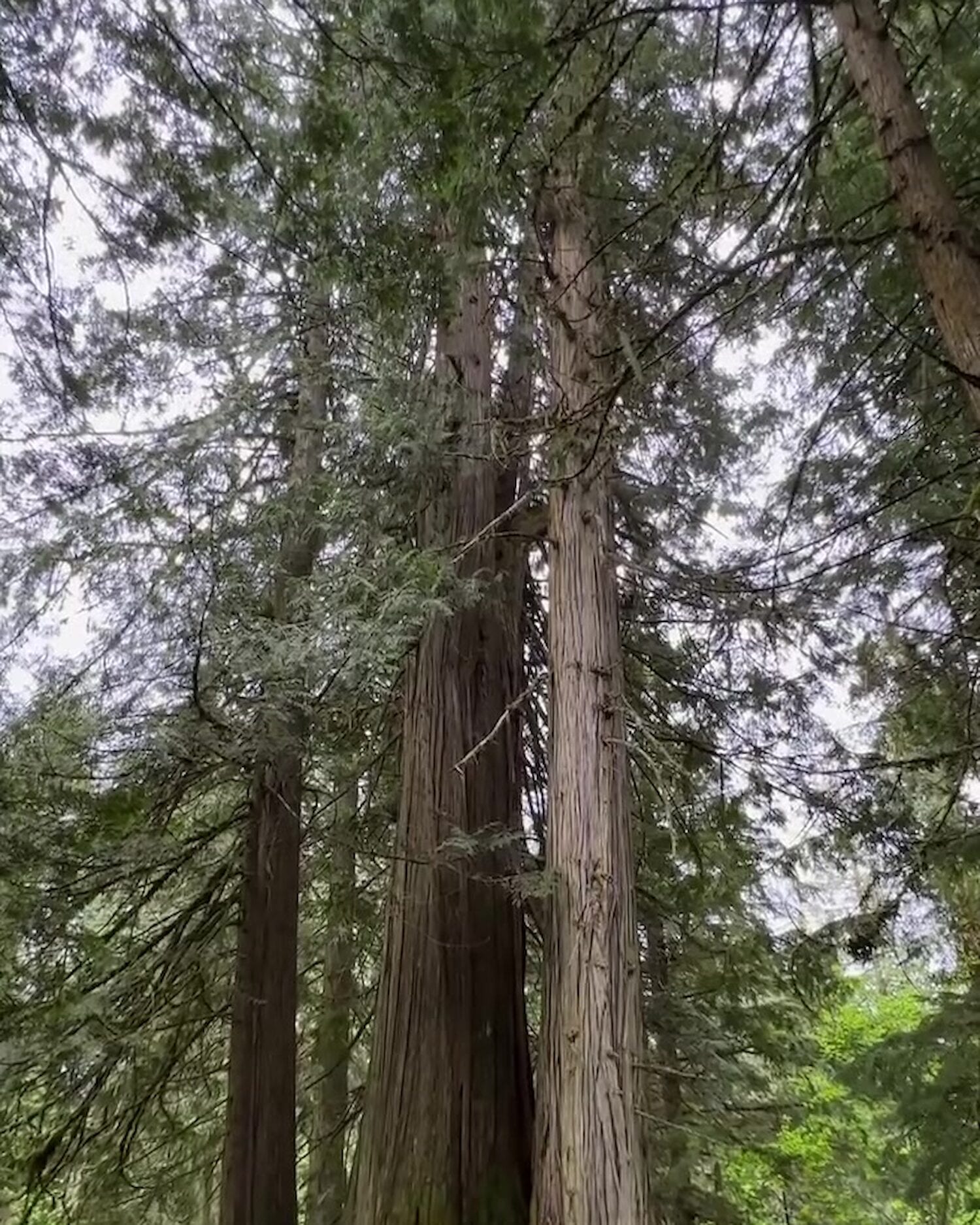
Freshly worked teak is a warm honey gold. Left to breathe, it settles into a deeper amber brown with a quiet lustre that needs no varnish. The grain is straight and even, with a figure that rewards a close look.
 04
Natural Resistance
Protected from within.
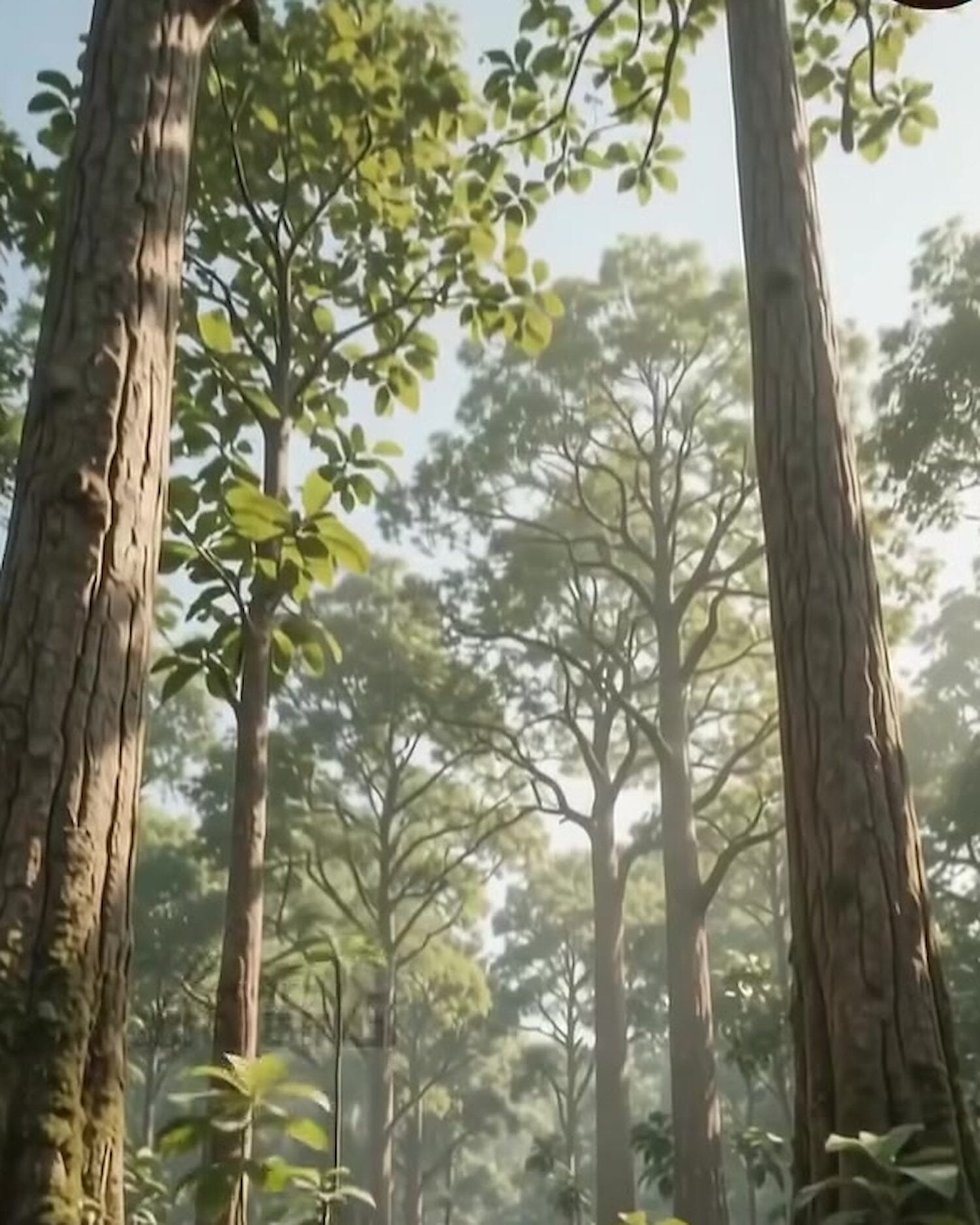
The same oils that give teak its scent also deter termites, borers and fungal decay. Mature heartwood defends itself, which means less chemical treatment across the life of the timber and a cleaner story from plantation to product.
 05
Longevity
Planted for a horizon you will not rush.
Teak is not a quick crop. It is a long-horizon tree, and that is precisely the point — a plantation established with care becomes an appreciating asset that is handed on rather than consumed.
Watch
Timberand time.
Teak as finished timber, and the long horizon that produces it — filmed on the plantation and at the yard.
2:24 · Narrated in Tamil
Growth
Seedling to standing timber.
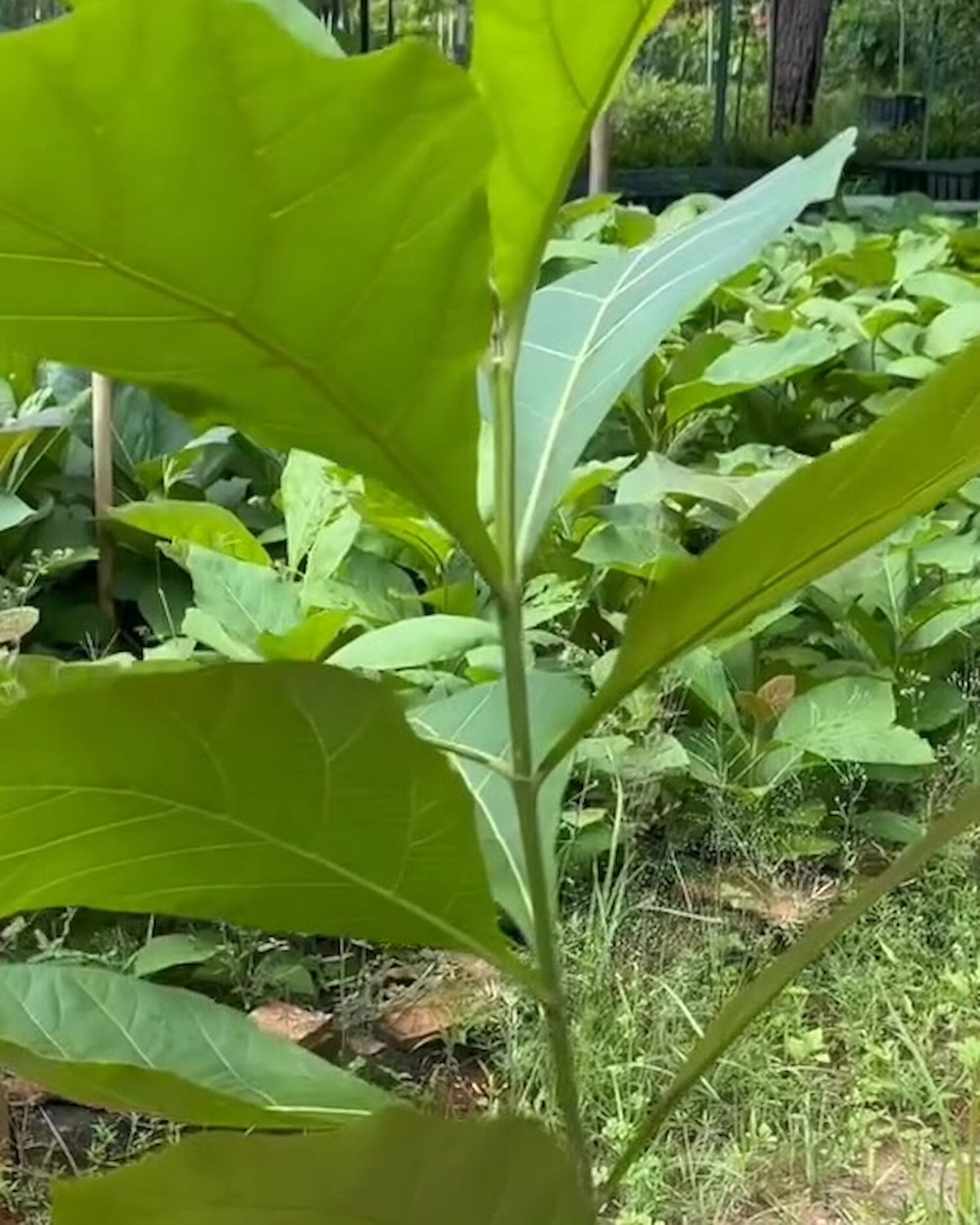
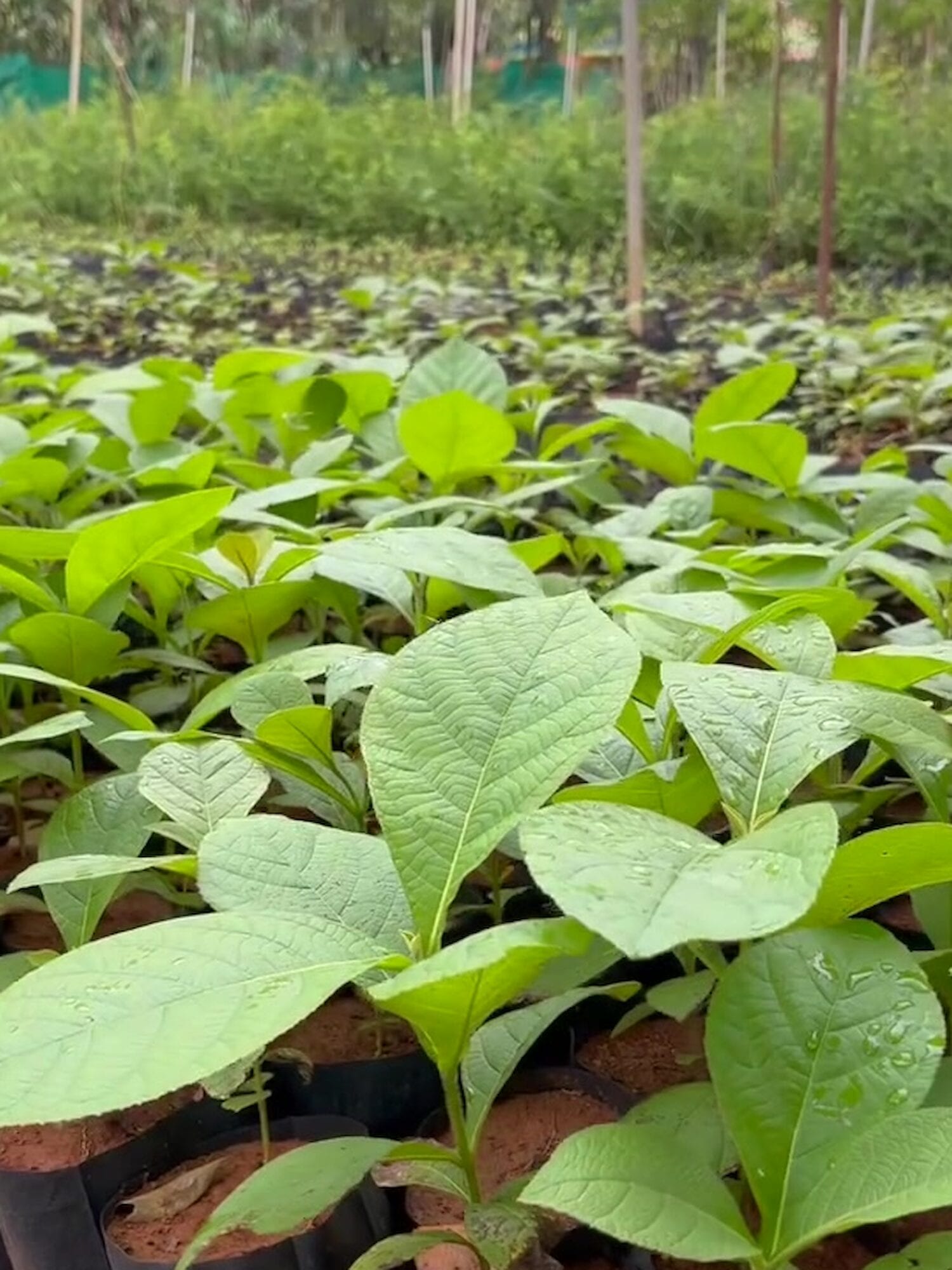
- Year 0–1SeedlingA pair of leaves, a root finding its way down.
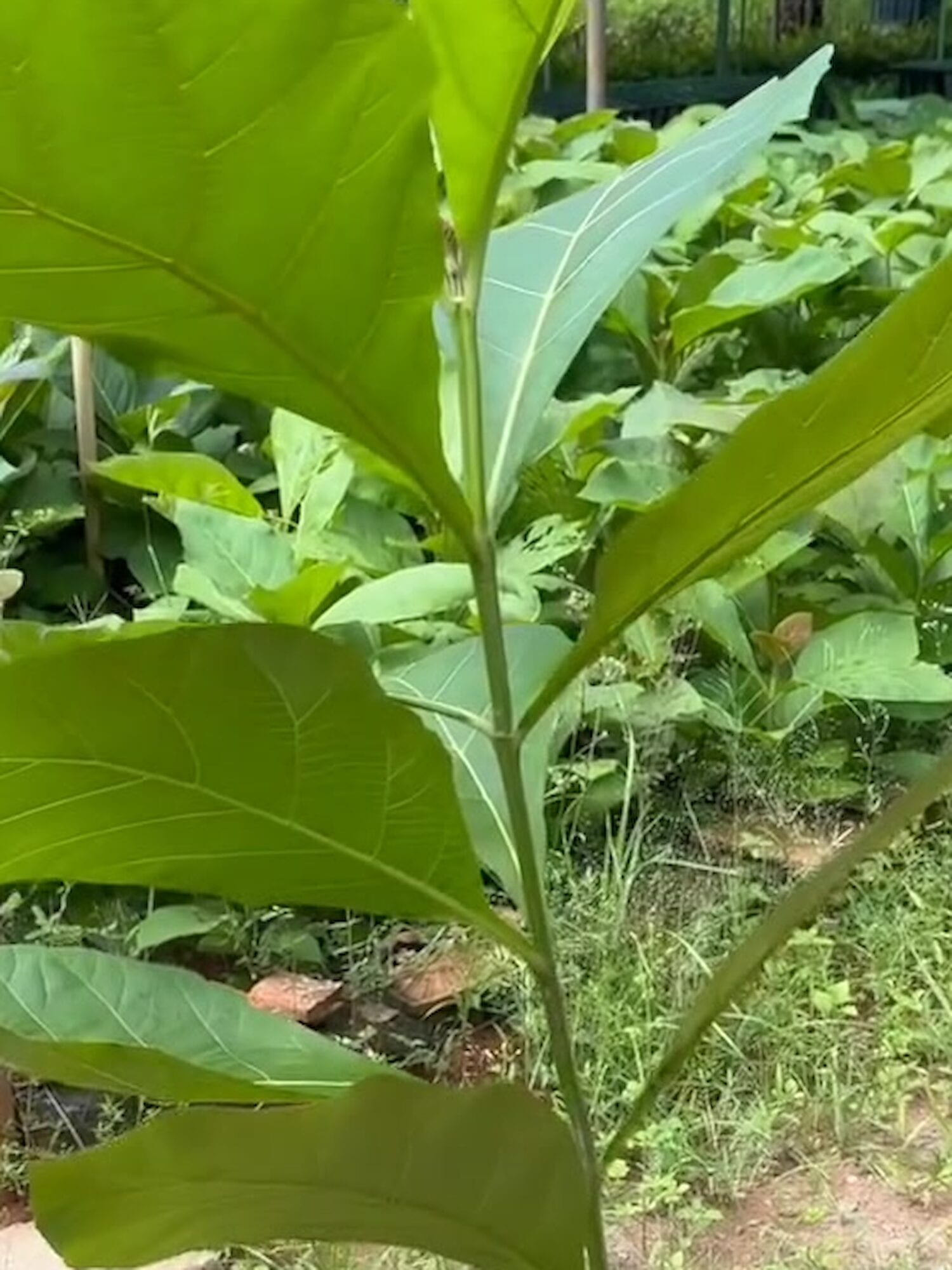
- Year 1–3Young PlantLeaves broaden. The stem commits to a direction.
- Year 3–10Growing TreeHeight first, then girth. The bole begins to clean.
- Year 10+Mature TeakHeartwood, colour, oils — the timber the world asks for.