
Ganesh Nursery logoBurma TeakPlantation
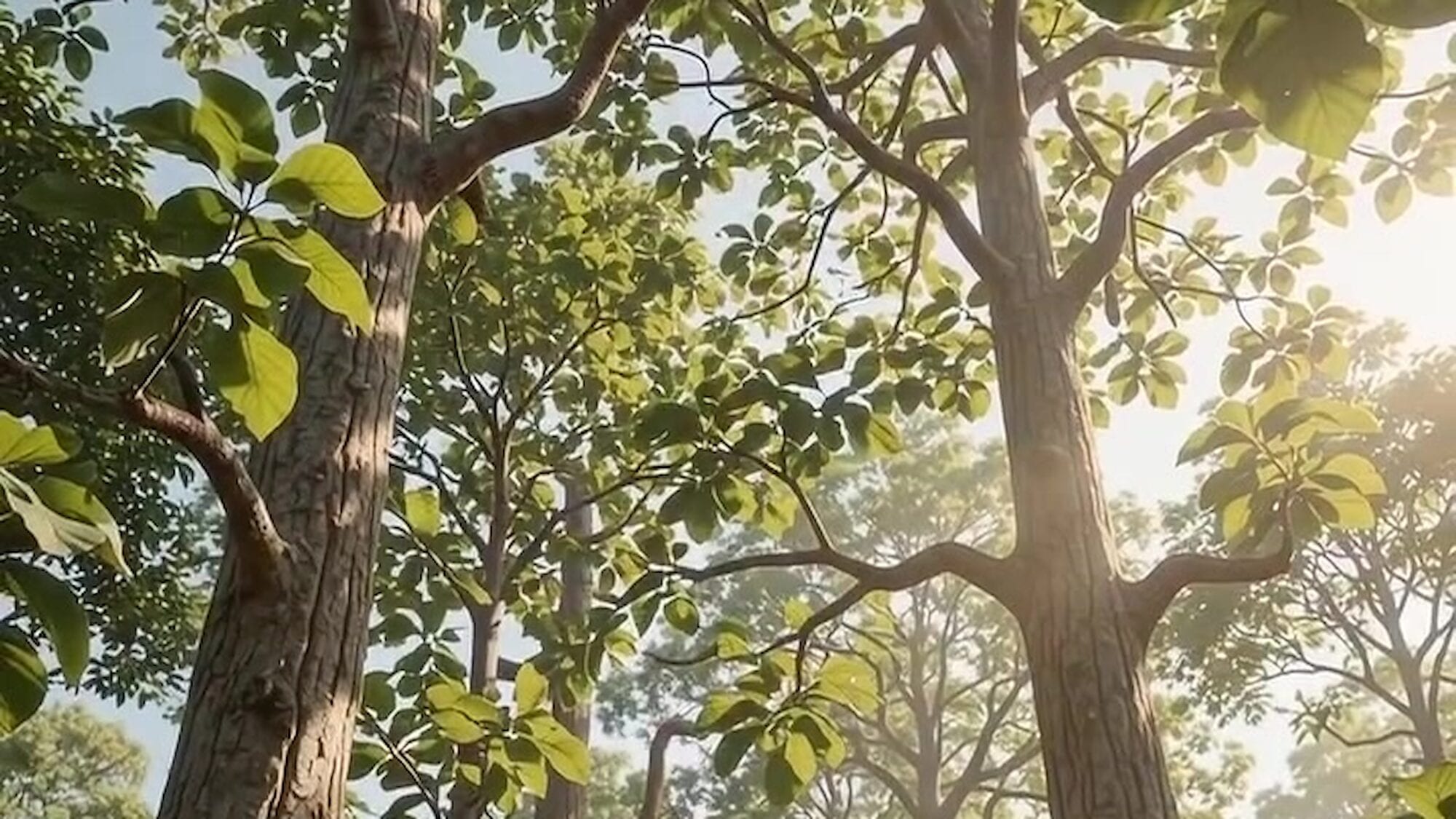
Teak canopy

Burma Teak Plantation

Rooted in nature.Built for generations.

Premium teak cultivation rooted in quality, sustainability and long-term value — grown at Gandarvakottai with the care of a nursery established in 1980.

Introduction

More than a tree.A legacy.

Burma Teak Plant is the teak venture of Ganesh Nursery at Gandarvakottai, near Thanjavur — a nursery that has been putting saplings into Tamil Nadu soil since 1980.

Teak is the one thing a nursery sells that does not answer you quickly. A fruit tree fruits; a hedge fills in. A teak plantation replies in decades — and by then every early decision has either compounded in your favour or quietly cost you.

That long feedback loop is the whole discipline, and it is why we stay involved long after the sale would normally have ended.

Our Story
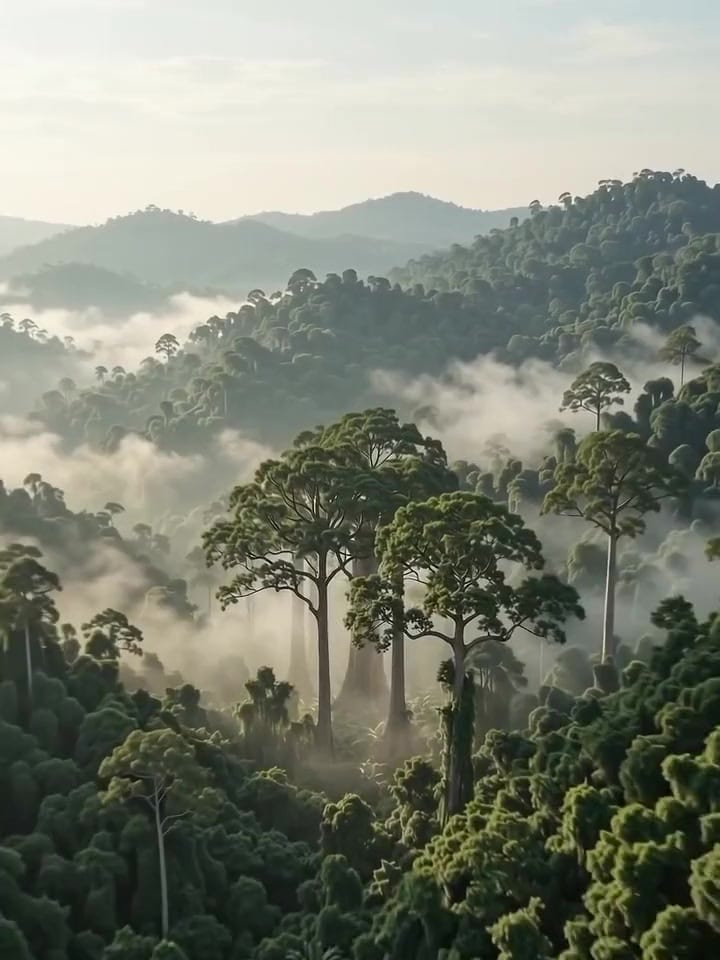
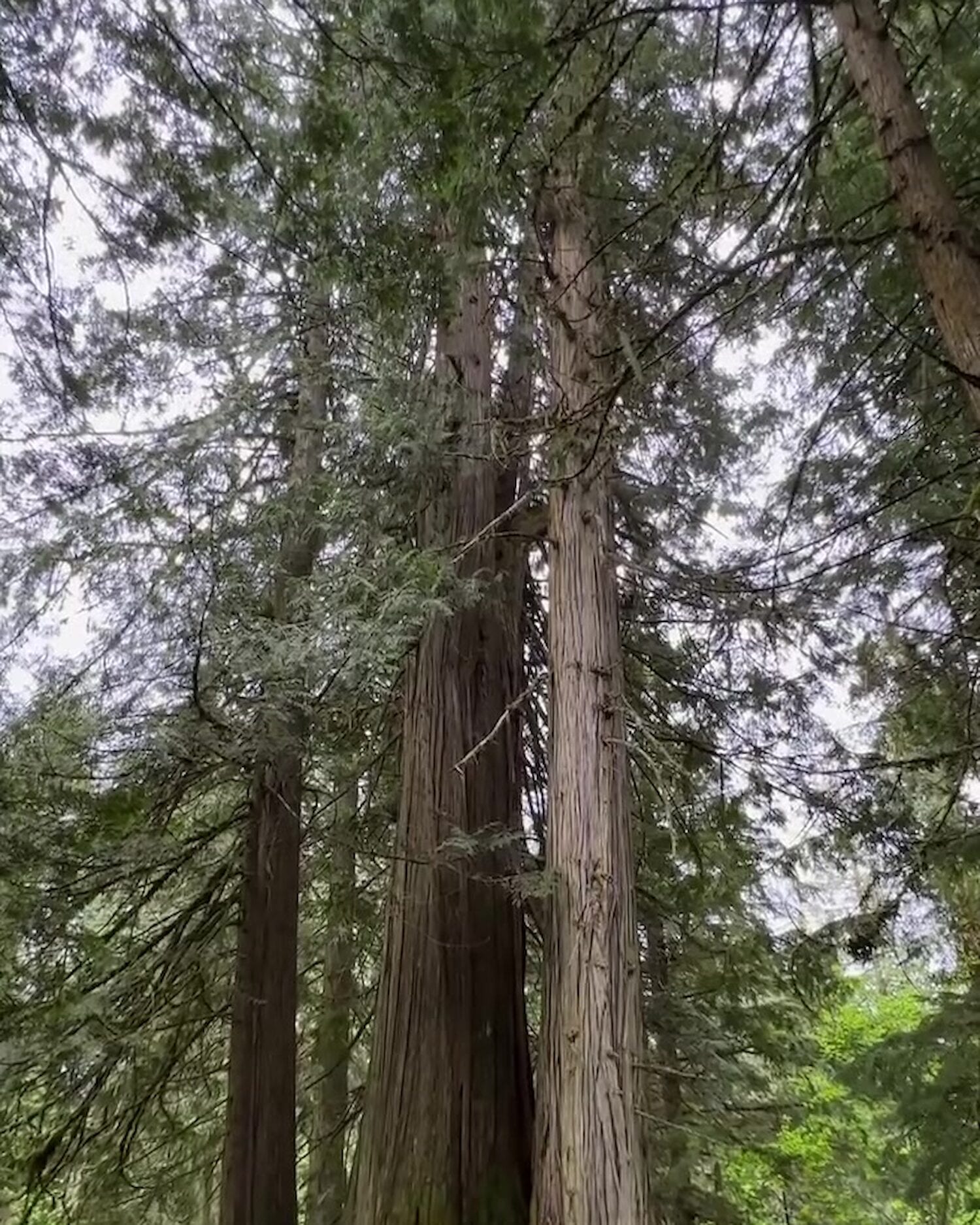
Mature teak trunks standing close together

The Timber

Why Burma teak?

Teak earned its reputation over centuries of hard use — in ships, in temple joinery, in furniture that outlived the households it was built for. Five qualities explain why.

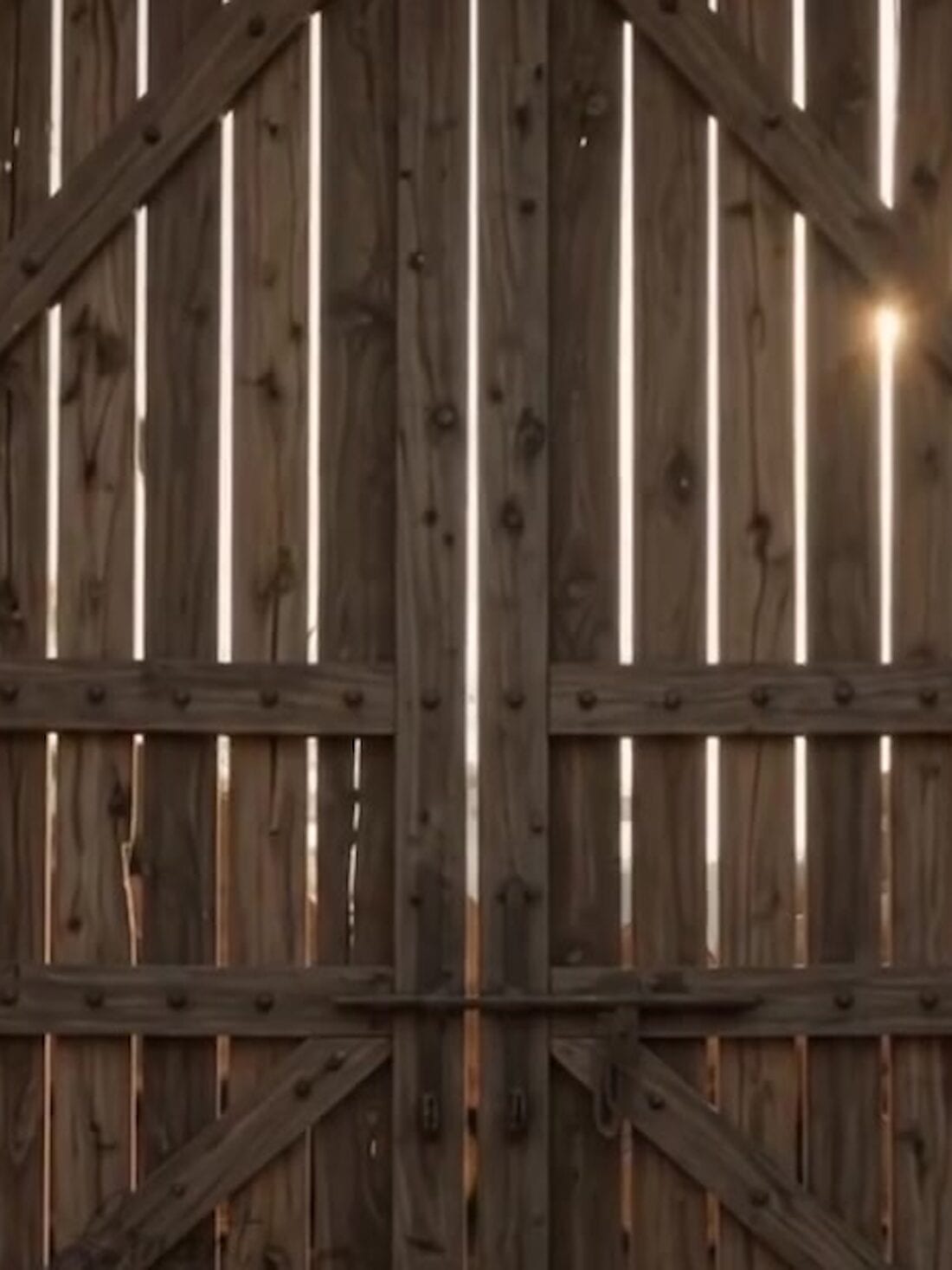
  1. Teak planks worked into a gate, the grain running vertically
    01

    Durability

    A timber that refuses to age quickly.

    Teak carries natural oils and silica within its heartwood. That internal chemistry is why teak has been chosen for shipbuilding, temple joinery and outdoor furniture for centuries — it endures weather, humidity and time with very little intervention.

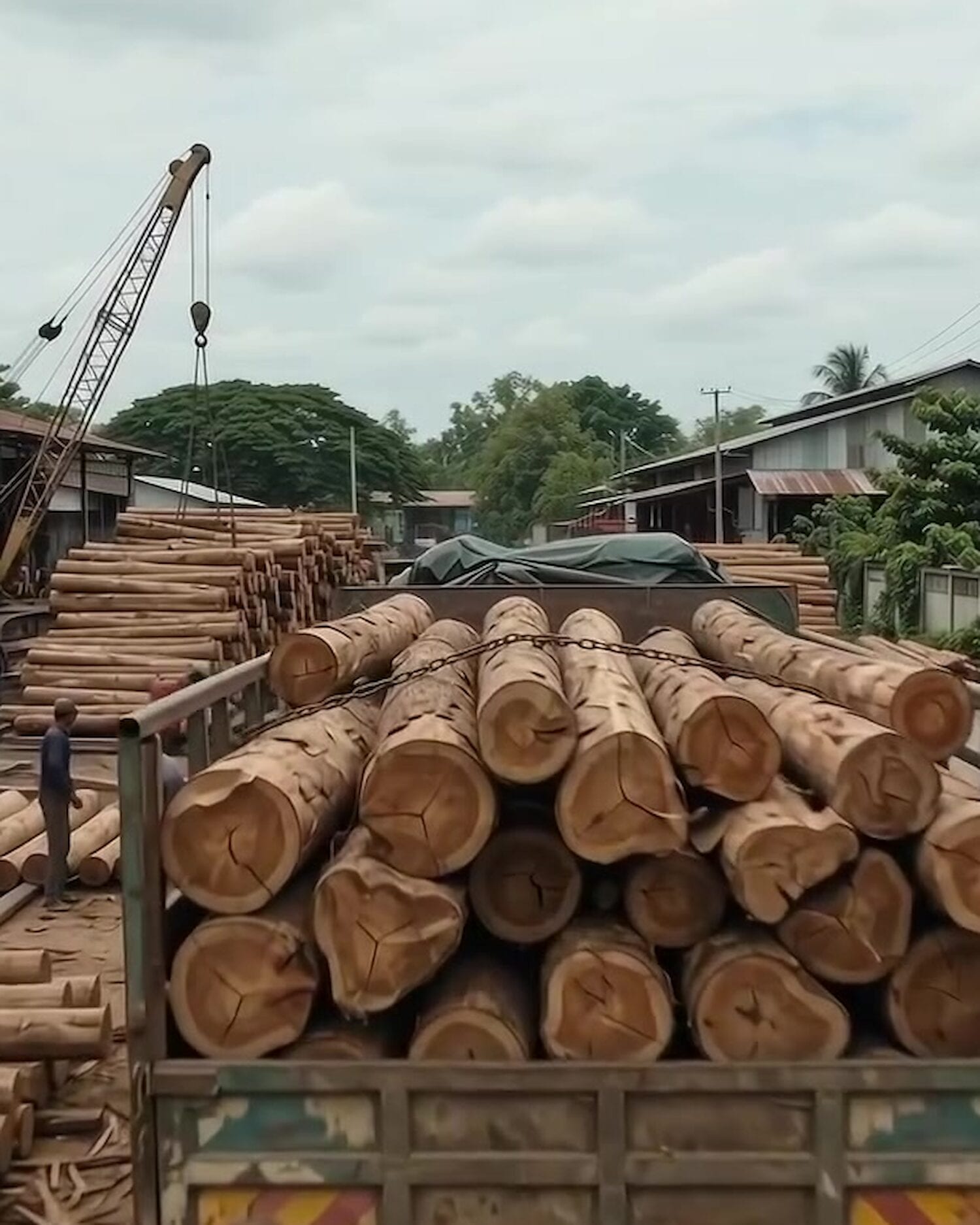
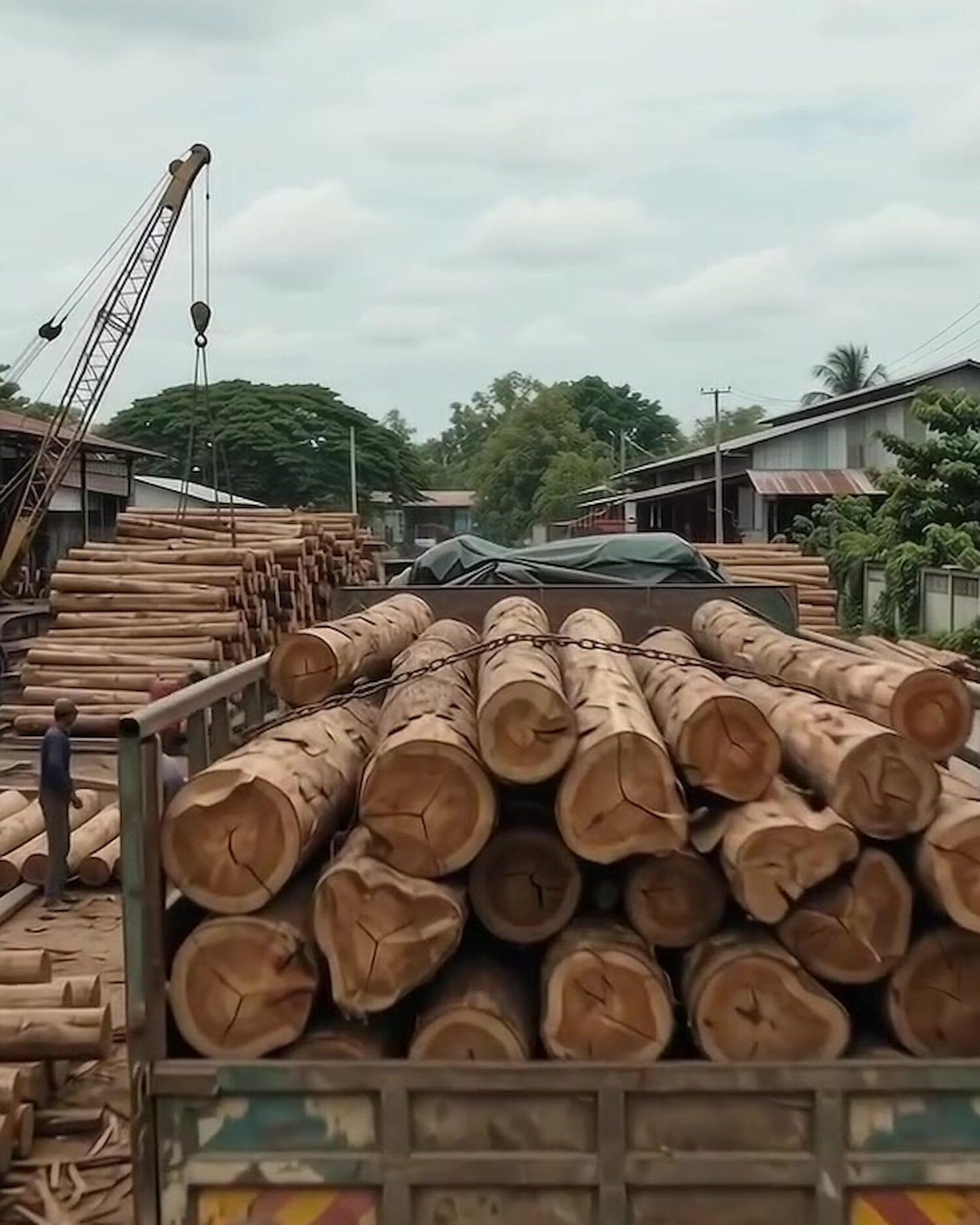
  2. Teak logs stacked and loaded at a timber yard
    02

    Strength

    Dimensionally stable, season after season.

    Well-grown teak moves very little once seasoned. It holds its shape through monsoon and dry season alike, resisting the warping, splitting and shrinkage that trouble lesser hardwoods — which is why joiners trust it for work meant to last.

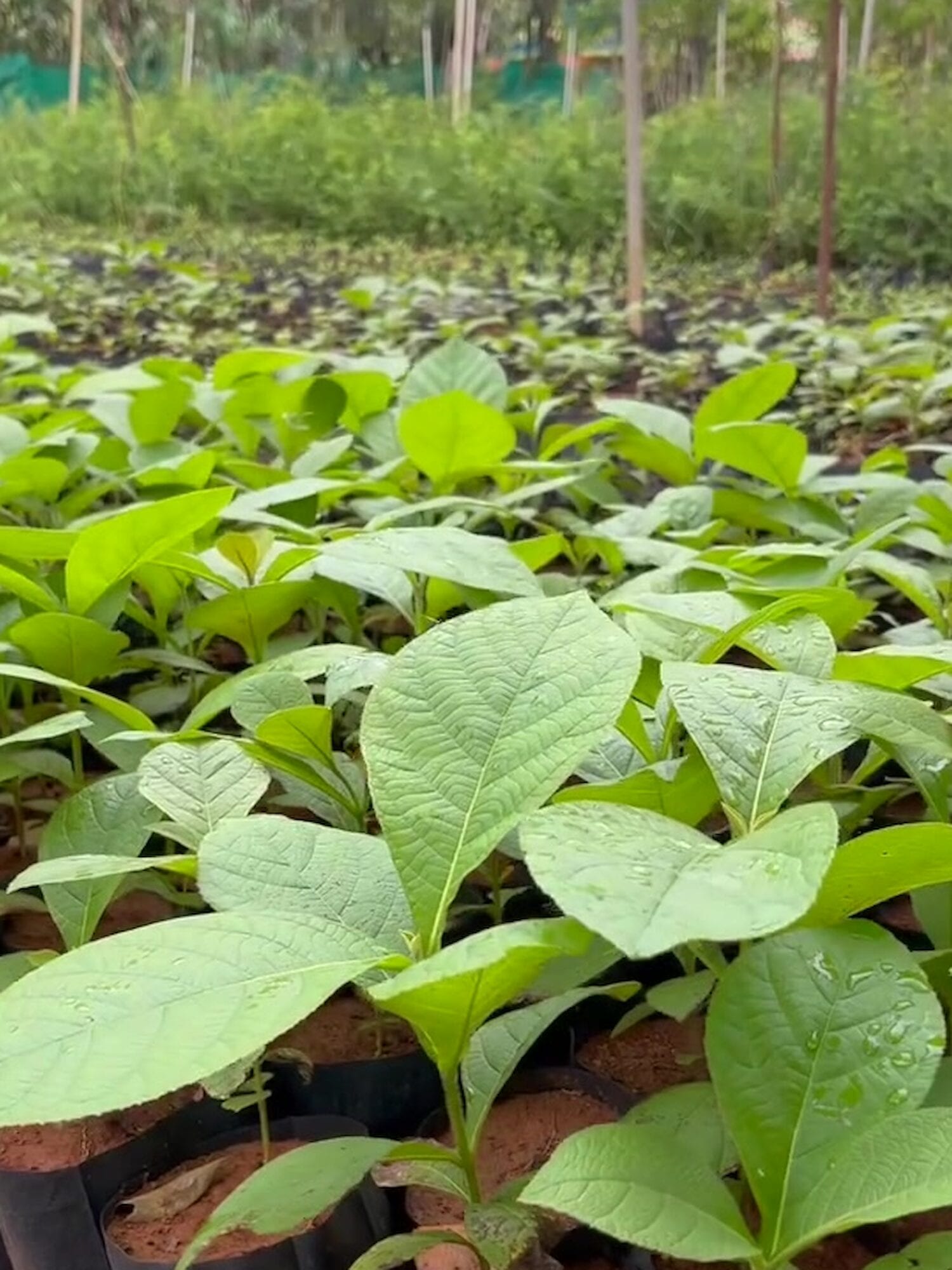
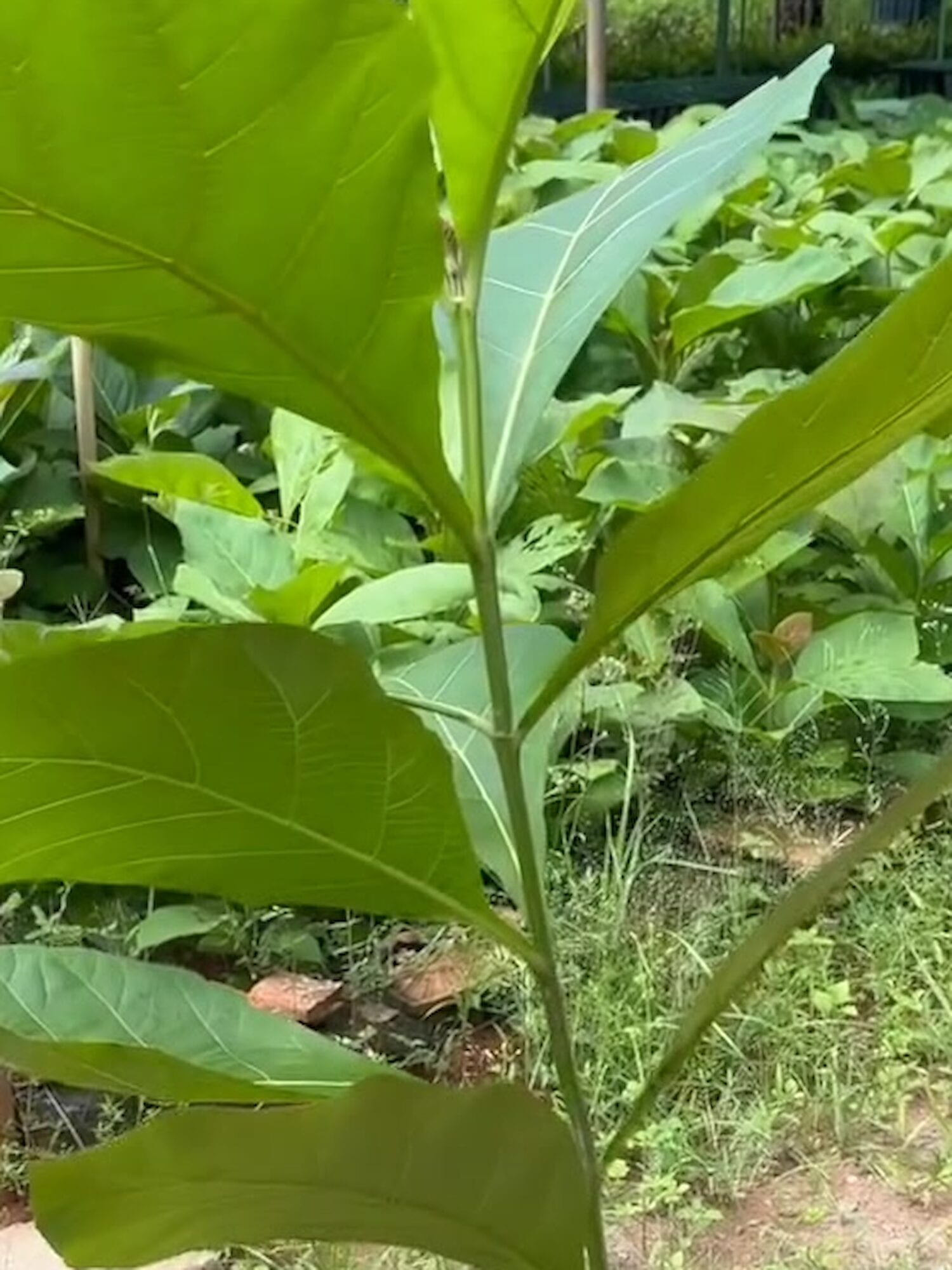
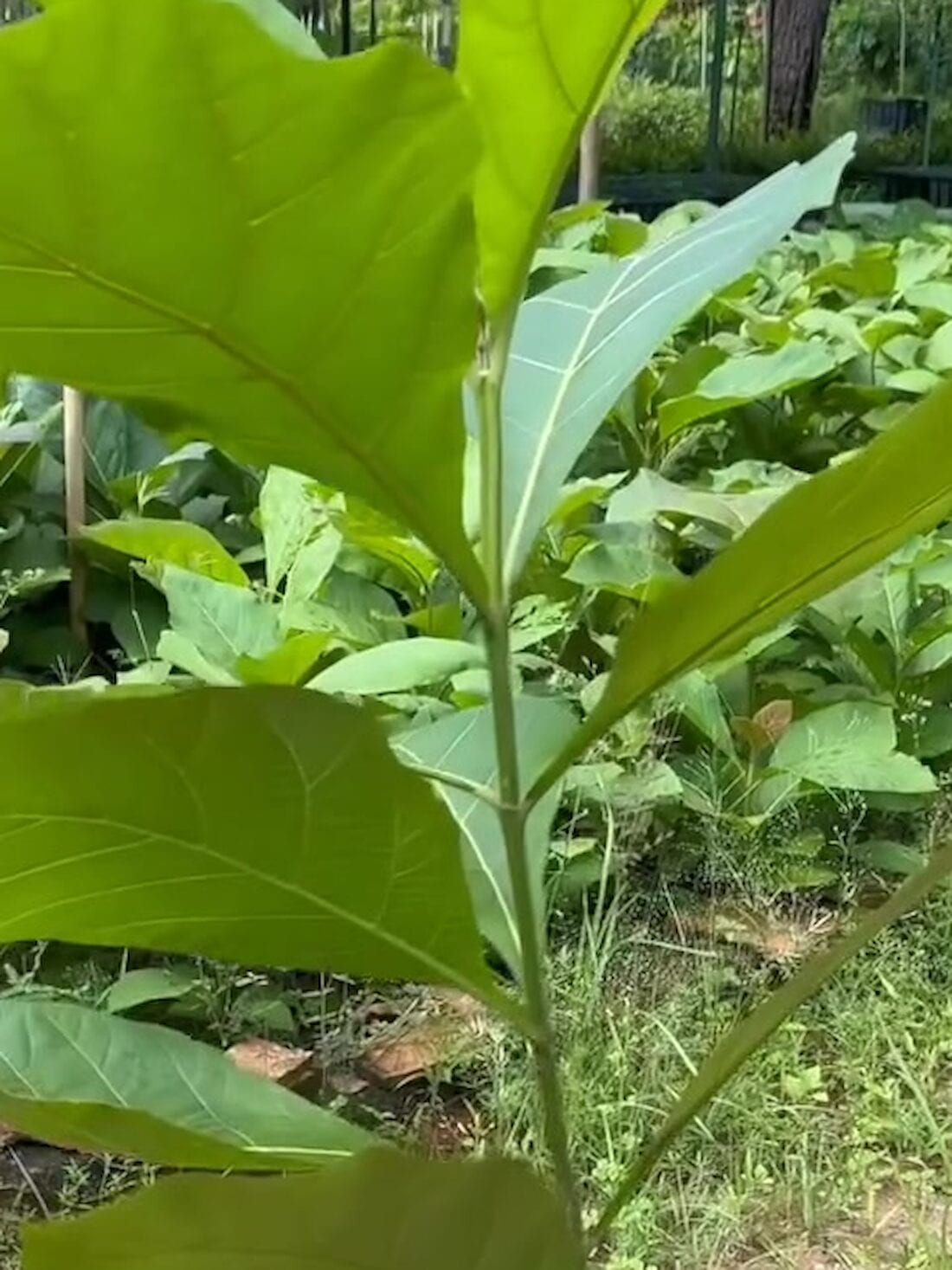
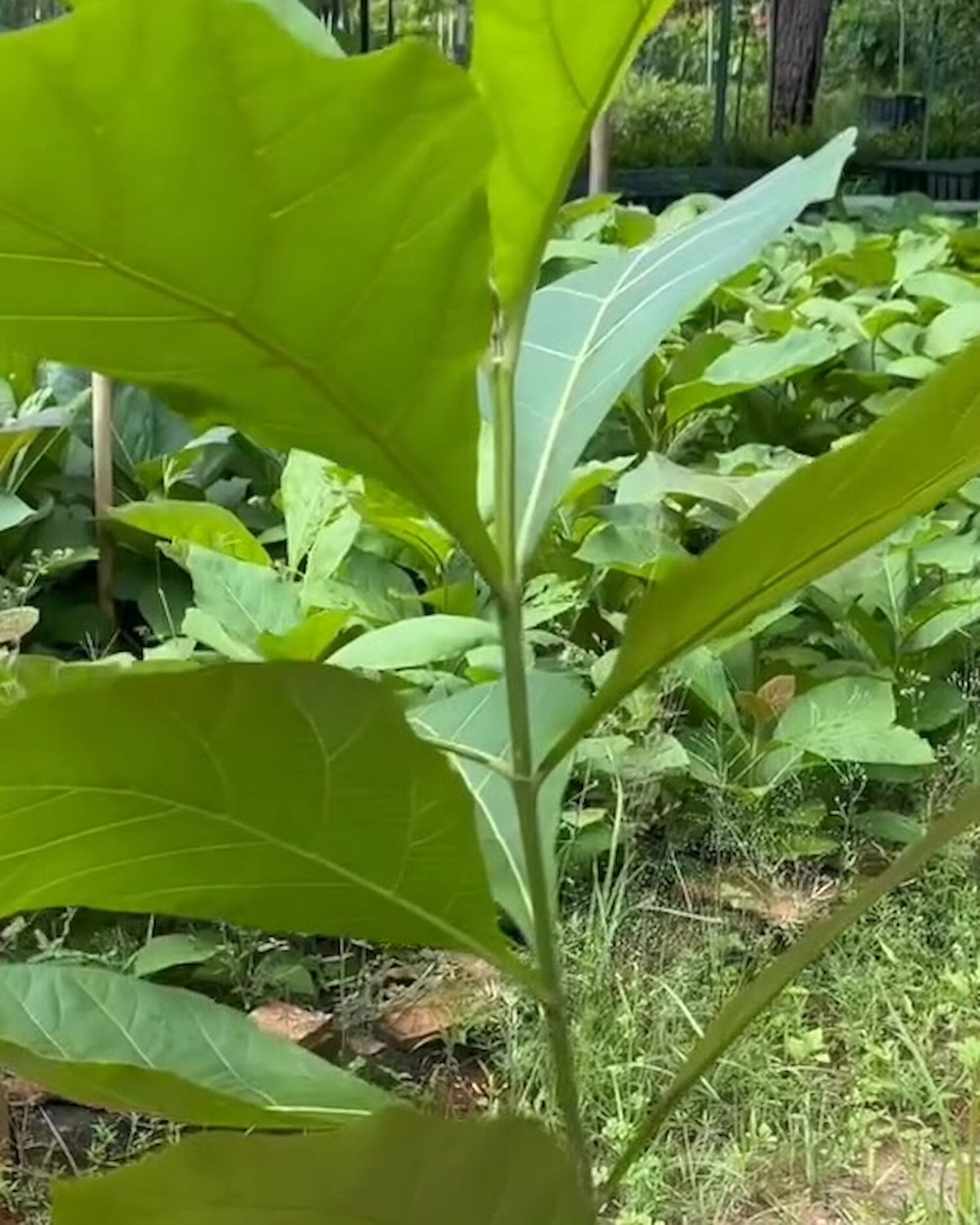
  3. A teak sapling carrying broad young leaves
    03

    Natural Beauty

    Golden brown, deepening with every year.

    Freshly worked teak is a warm honey gold. Left to breathe, it settles into a deeper amber brown with a quiet lustre that needs no varnish. The grain is straight and even, with a figure that rewards a close look.

  4. A mature teak tree standing full height
    04

    Natural Resistance

    Protected from within.

    The same oils that give teak its scent also deter termites, borers and fungal decay. Mature heartwood defends itself, which means less chemical treatment across the life of the timber and a cleaner story from plantation to product.

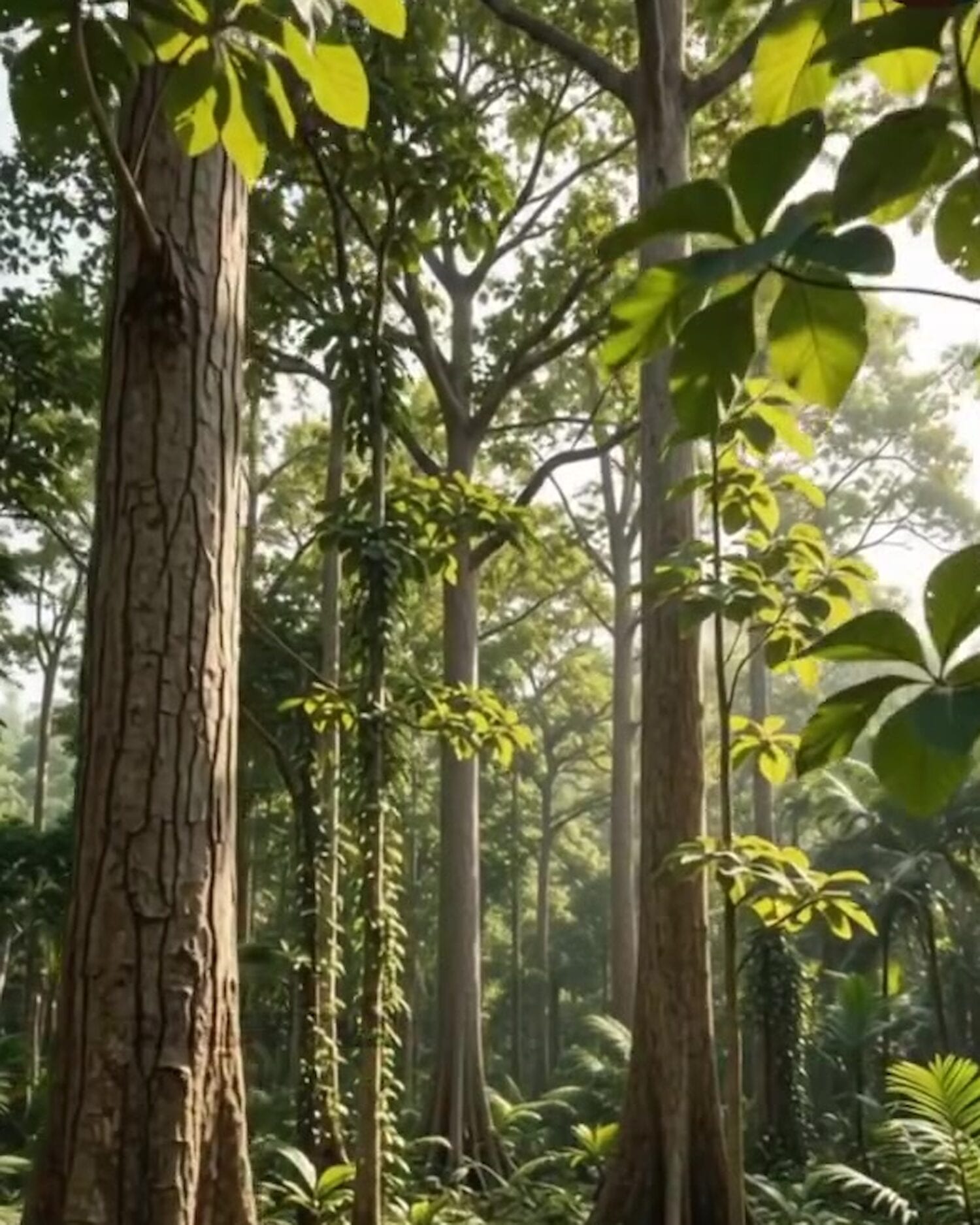
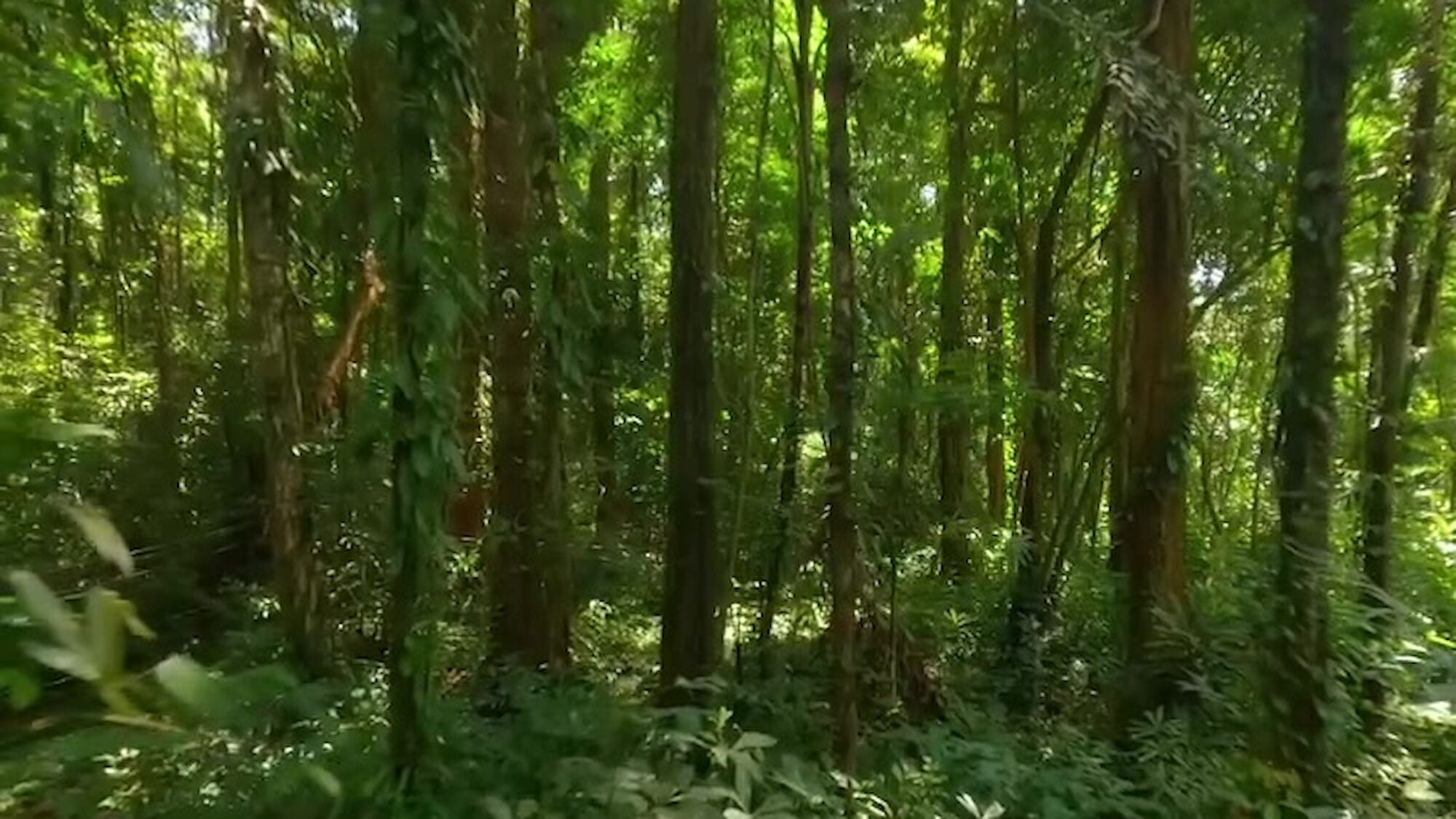
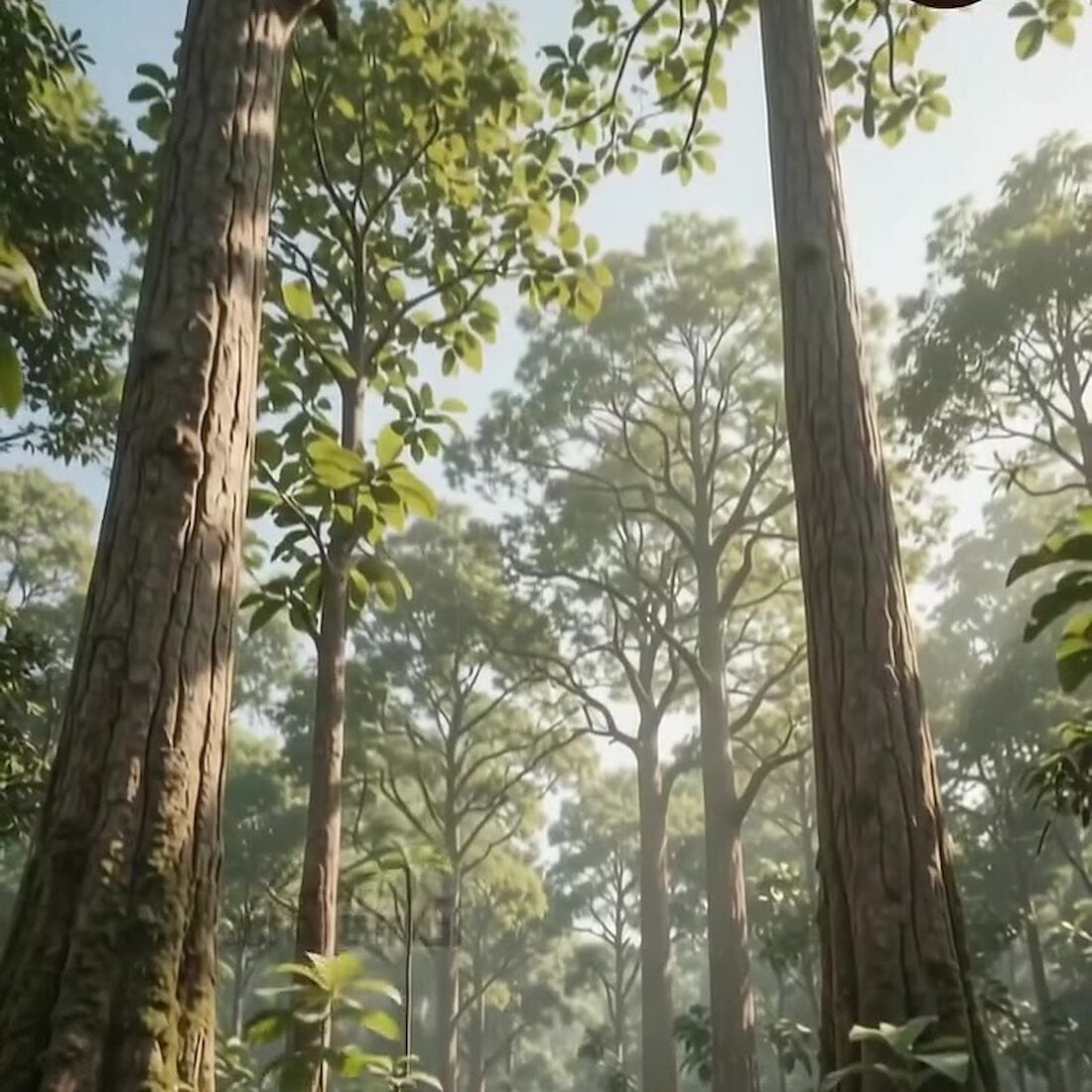
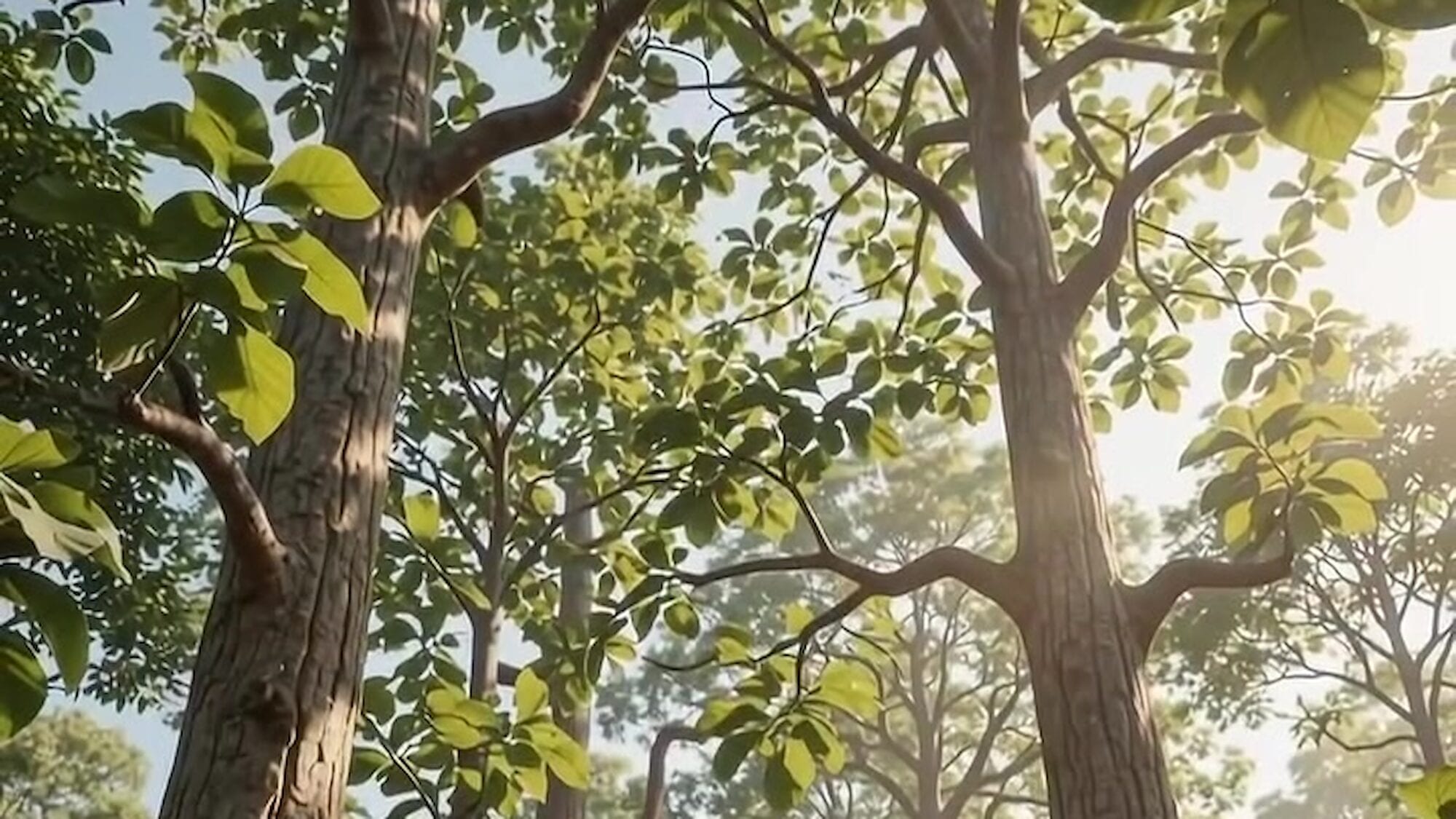
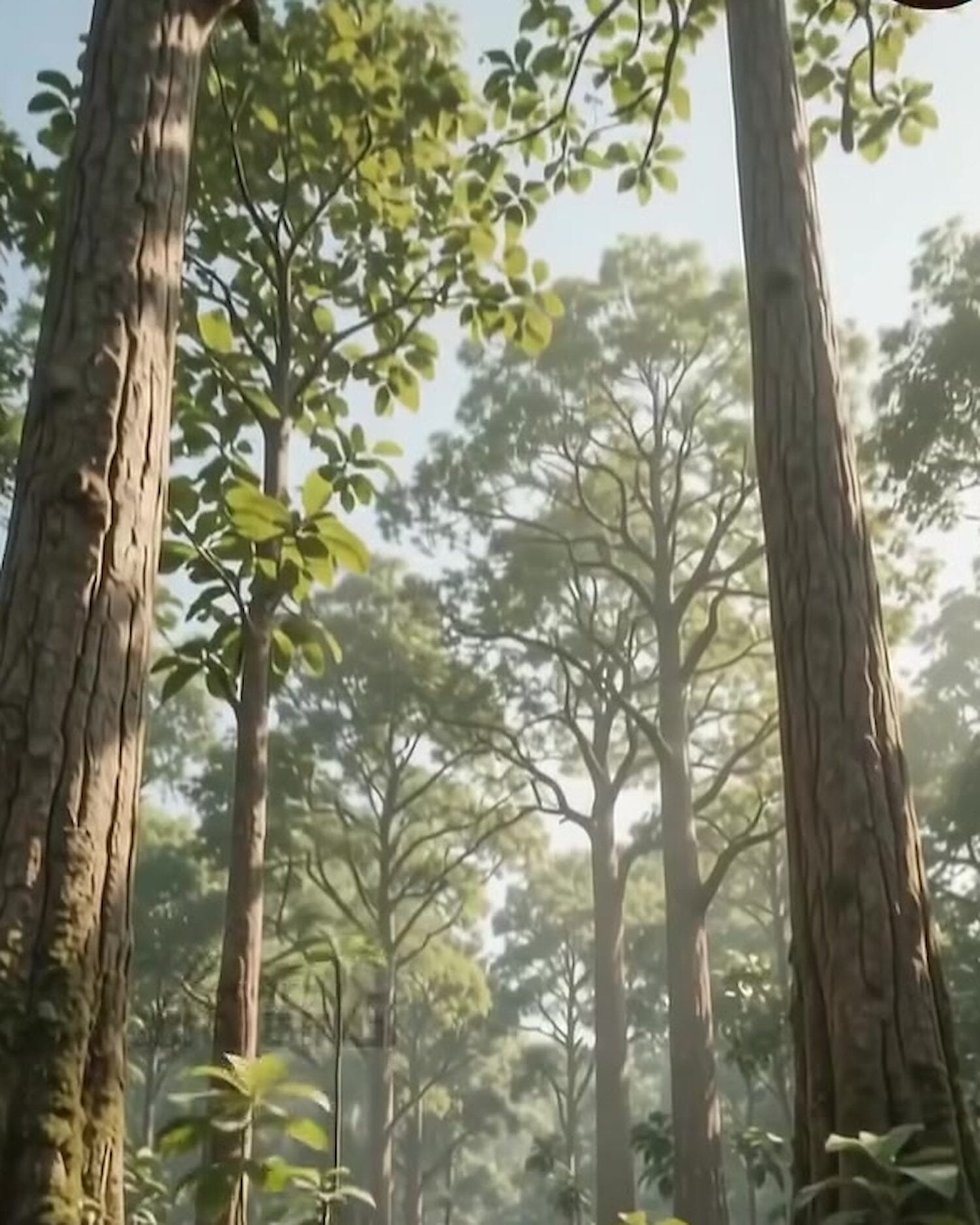
  5. Teak crowns seen from the forest floor
    05

    Longevity

    Planted for a horizon you will not rush.

    Teak is not a quick crop. It is a long-horizon tree, and that is precisely the point — a plantation established with care becomes an appreciating asset that is handed on rather than consumed.

Every Tree Has A Story

The Long View

Every tree has a story.

Ours begins on prepared ground, in a season chosen carefully, and takes decades to finish telling.

The Lifecycle

From soilto canopy.

Six stages, spread across a working lifetime. Every one of them is a decision that the next stage inherits.

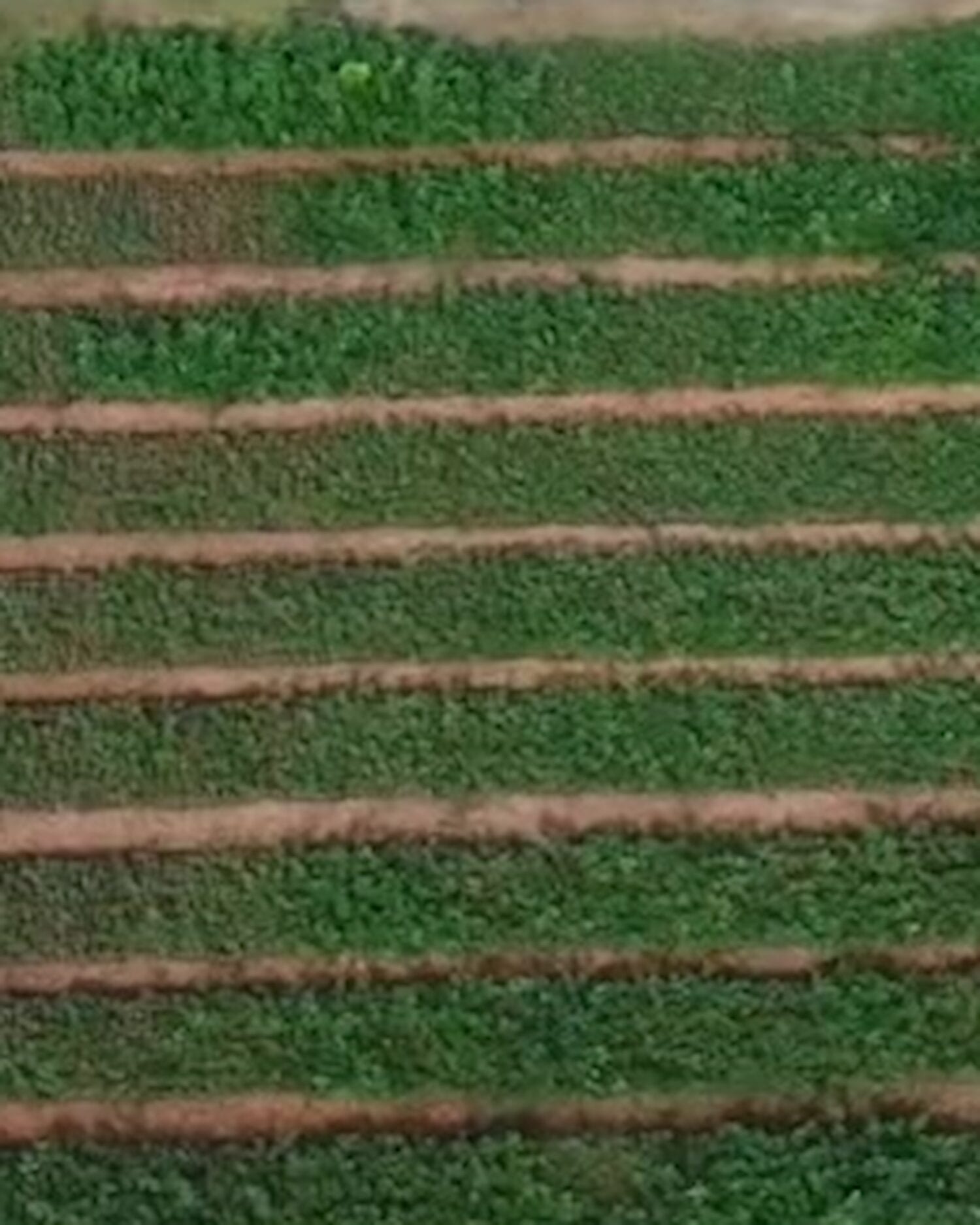
  1. Planting beds laid out in rows, seen from above
    01

    Land Preparation

    Reading the ground before a single sapling is planted.

    Soil depth, drainage and slope decide how a teak plantation will behave twenty years from now. The land is assessed, cleared, contoured and prepared so that young roots meet loose, well-drained earth rather than compaction.
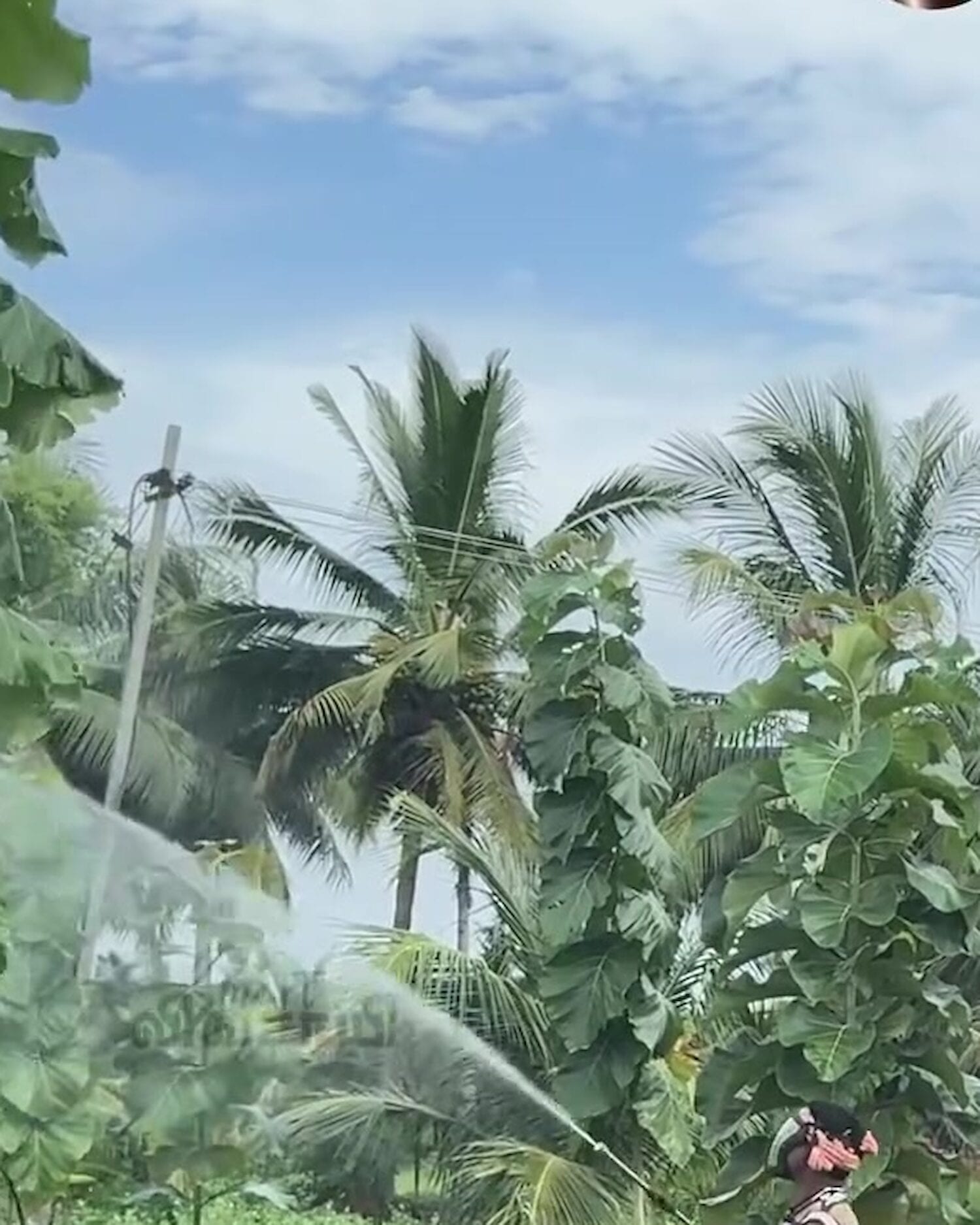
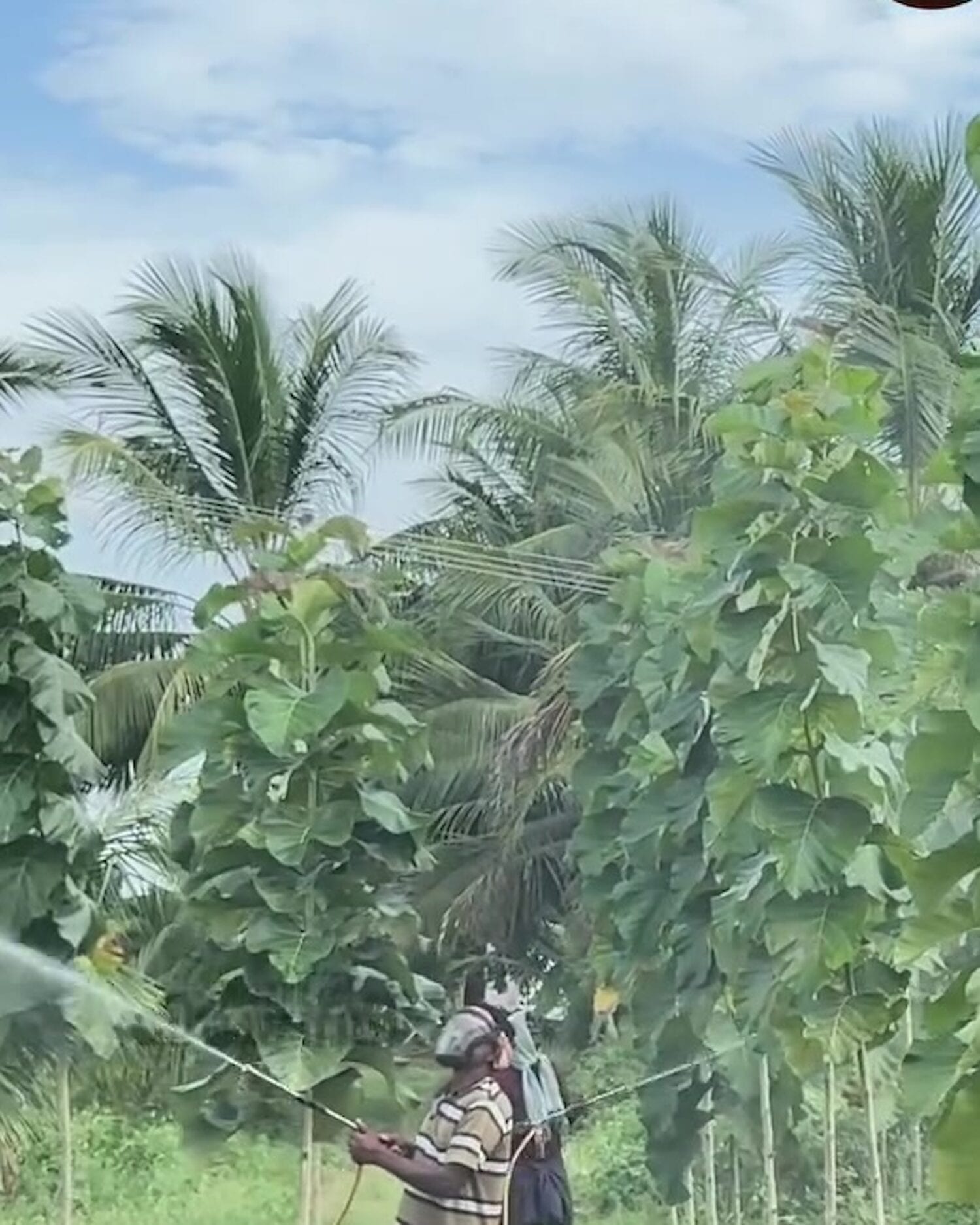
  2. Young teak being watered beside established palms
    02

    Planting

    Spacing is a decision you live with for decades.

    Saplings are set out at considered spacing and depth, timed to the season so that the first rains do the work. Correct spacing now determines canopy, girth and timber quality later — it cannot be corrected afterwards.

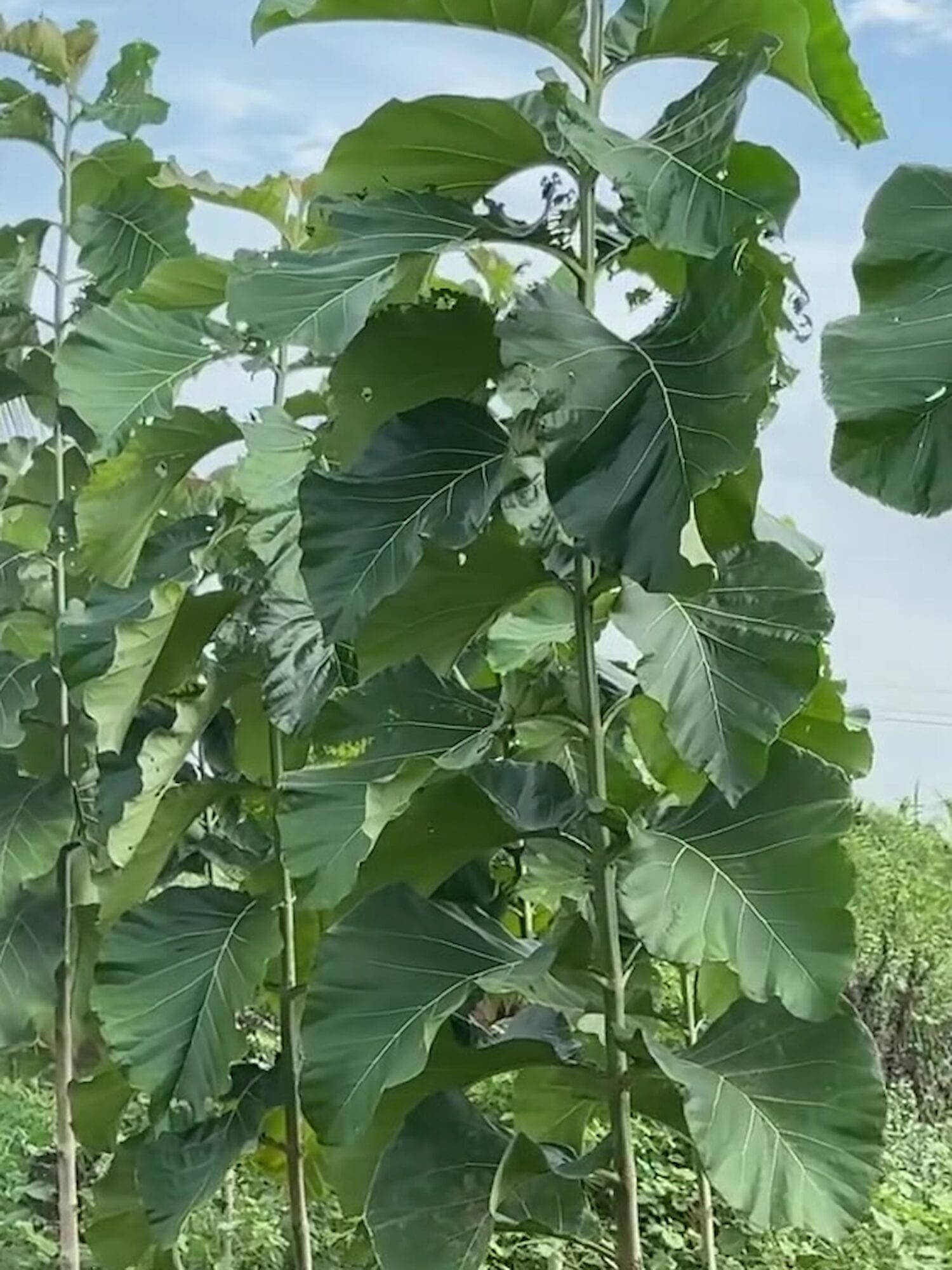
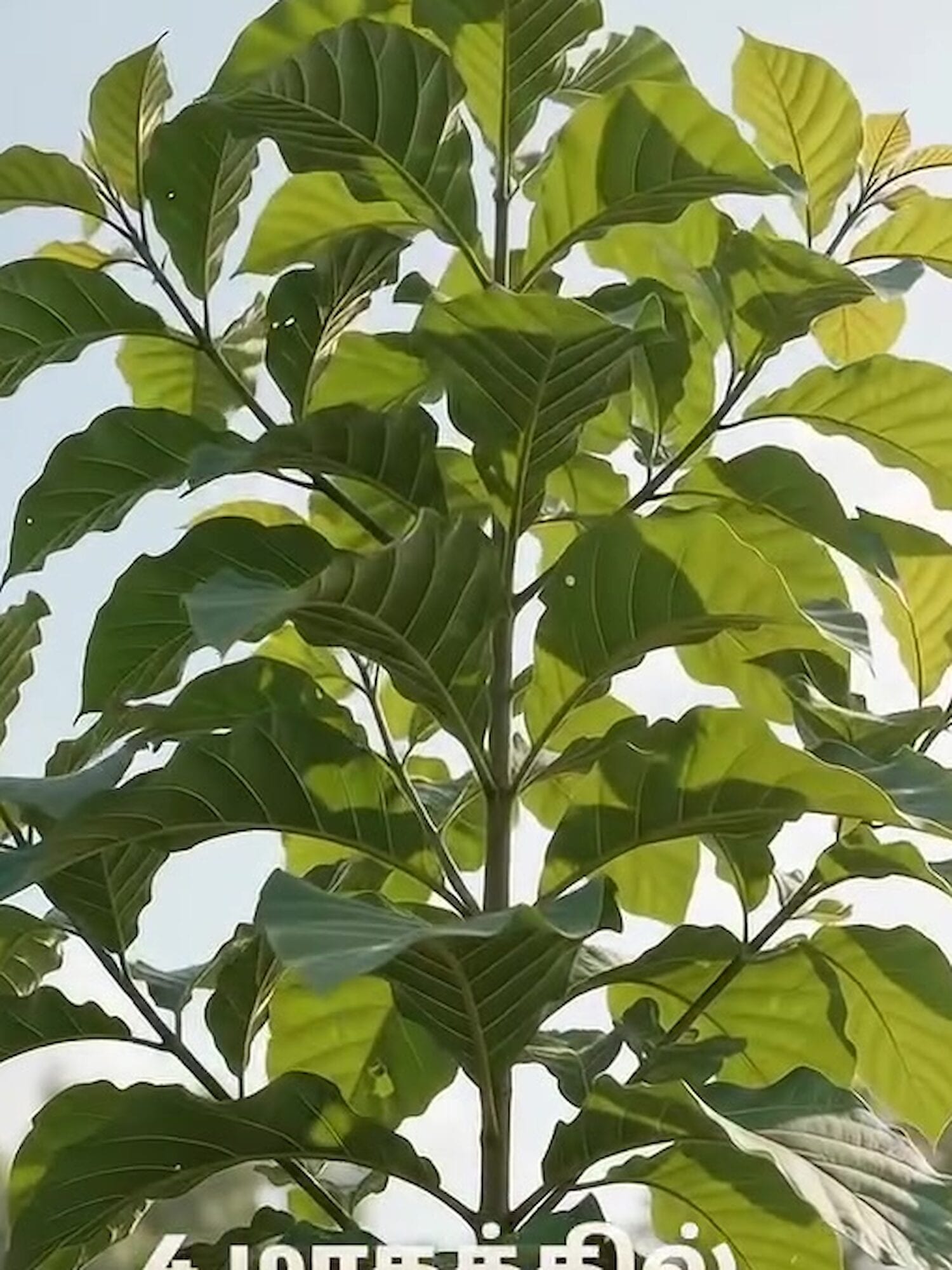
  3. Young teak in early growth, full of leaf
    03

    Early Growth

    The years that decide the shape of the tree.

    The first seasons are the vulnerable ones. Weeding, watering and protection from grazing keep young teak climbing straight and fast while it establishes the root system it will rely on for the rest of its life.

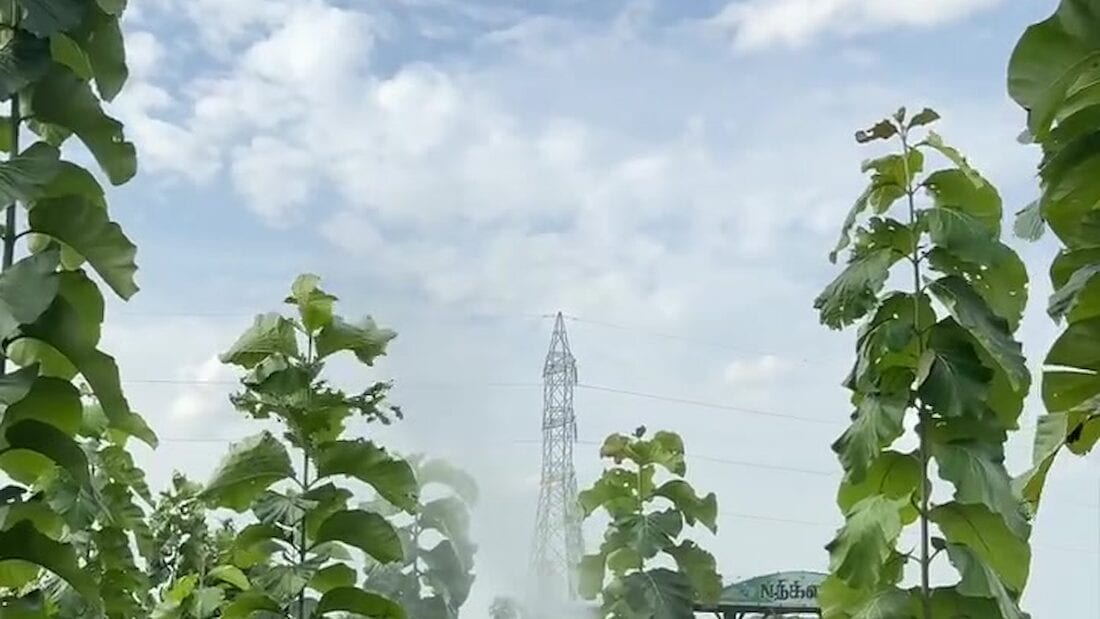
  4. A worker irrigating young teak by hand
    04

    Care & Management

    Pruning, thinning, watching.

    A plantation is tended, not simply left. Pruning builds a clean bole, thinning gives the best stems the light and room they need, and regular inspection catches pest or nutrient problems while they are still small.

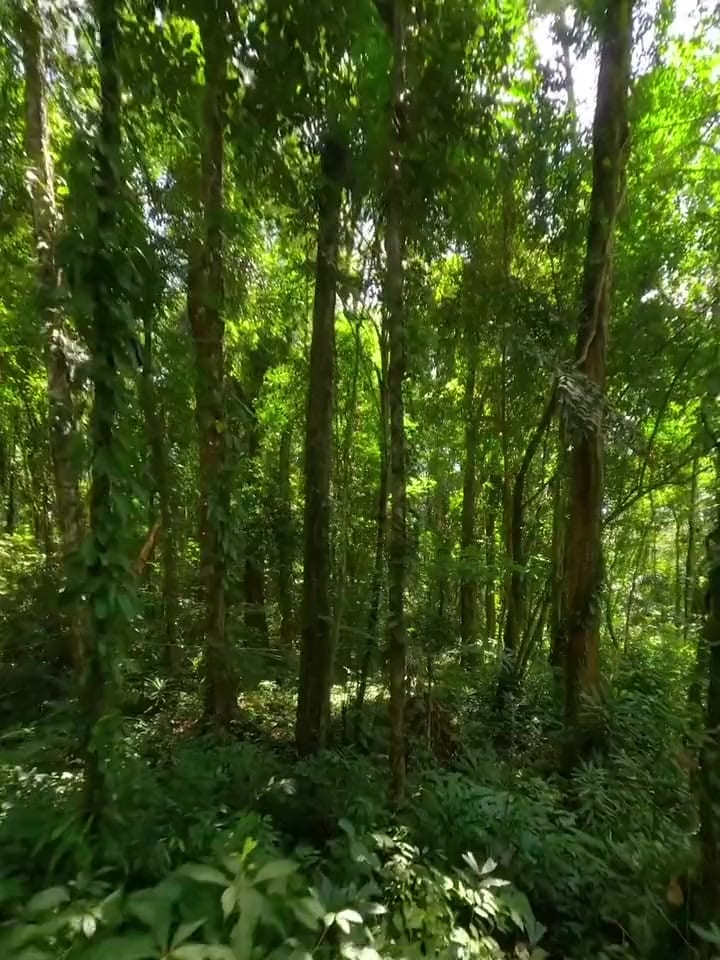
  5. Mature teak standing in a closed stand
    05

    Maturity

    Canopy closes. Heartwood forms.

    As the canopy closes the stand regulates itself. Girth thickens, heartwood develops its colour and oils, and the plantation begins to look and behave like forest rather than like a crop.

  6. Teak logs stacked at the timber yard
    06

    Future Harvest

    A decision for the next generation.

    Harvest is planned, selective and documented, with replanting built into the plan from the start. What leaves the plantation is premium timber; what stays behind is ground ready to grow the next stand.

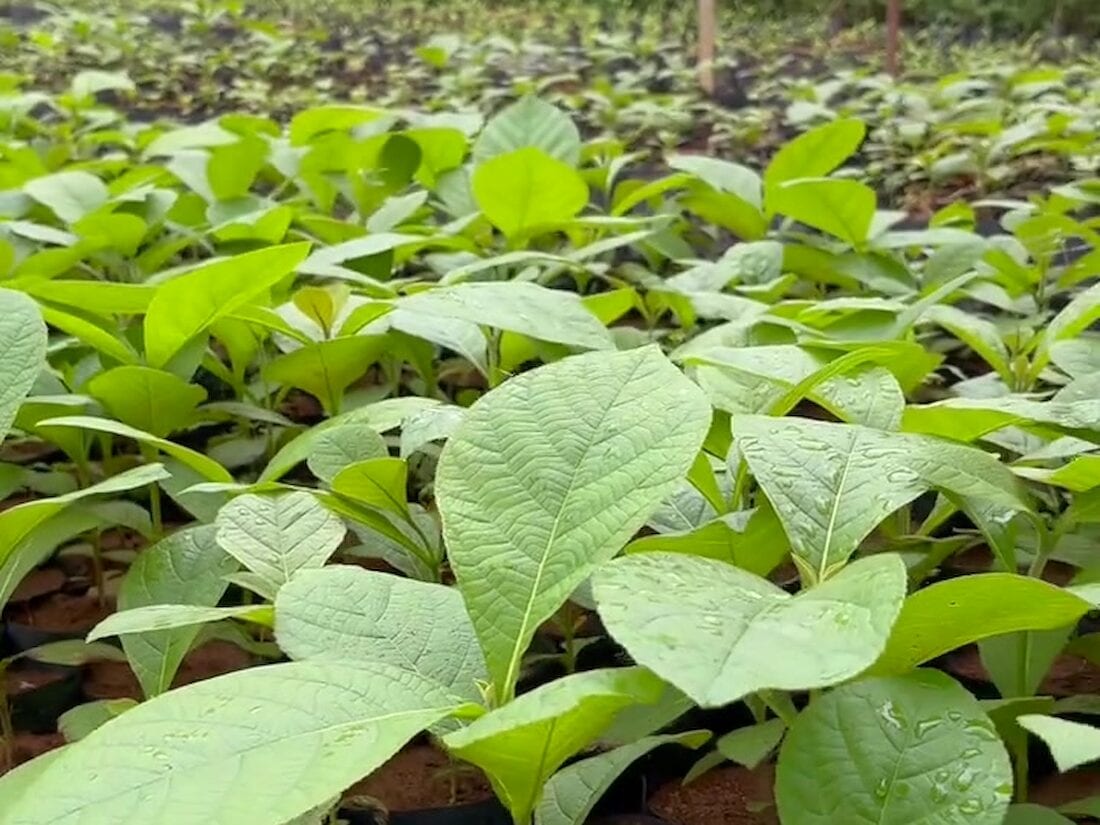
Teak saplings growing on in the nursery beds
A young teak plant in its nursery bag
Young teak reaching up against open sky
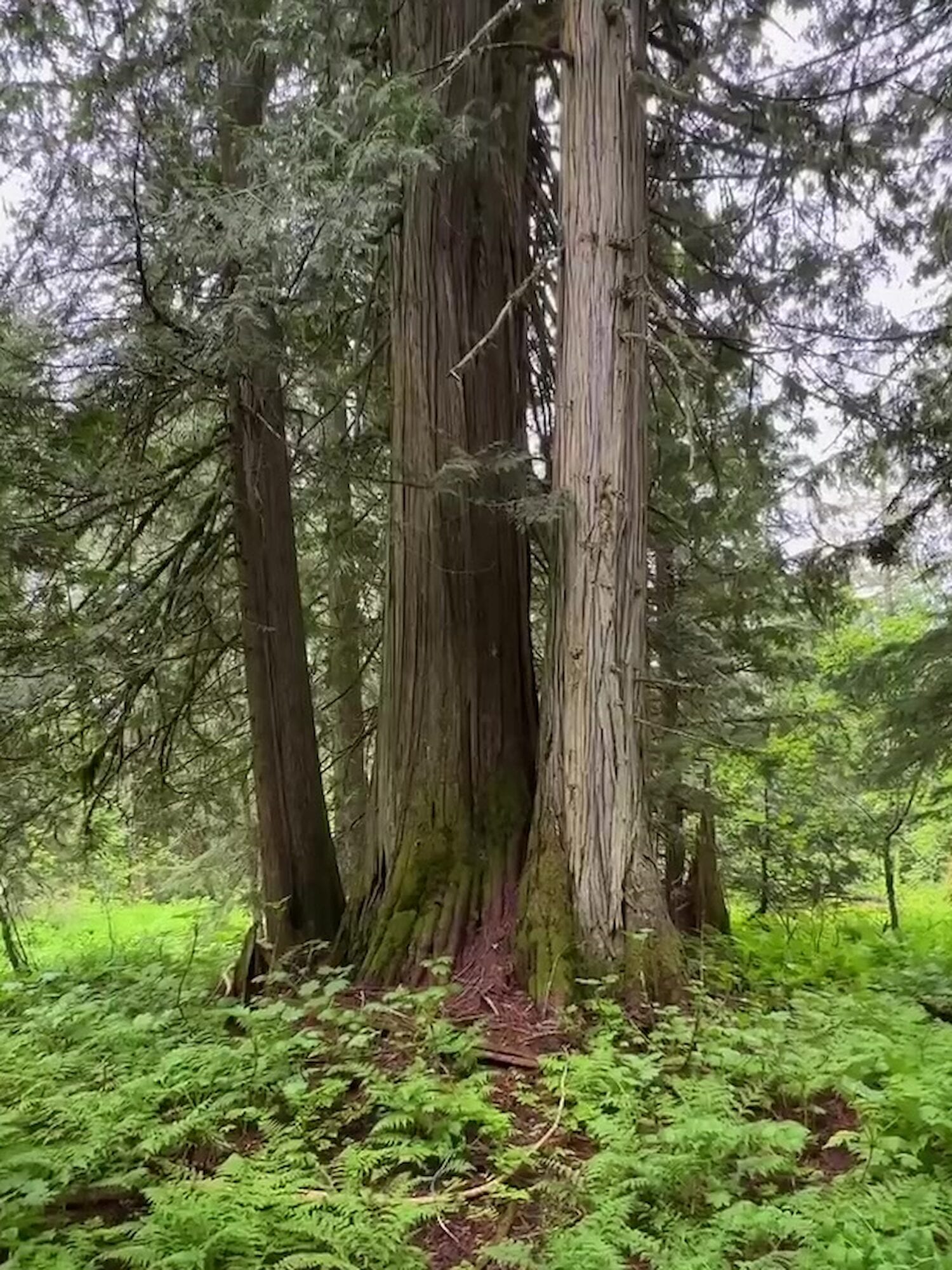
A mature teak trunk rising from the undergrowth

Growth

Seedling to standing timber.

  1. Year 0–1SeedlingA pair of leaves, a root finding its way down.
  2. Year 1–3Young PlantLeaves broaden. The stem commits to a direction.
  3. Year 3–10Growing TreeHeight first, then girth. The bole begins to clean.
  4. Year 10+Mature TeakHeartwood, colour, oils — the timber the world asks for.

By the numbers

Figure not yet publishedDATA_PLACEHOLDER_01

Acres Under Plantation

Figure not yet publishedDATA_PLACEHOLDER_02

Teak Saplings Cultivated

Figure not yet publishedDATA_PLACEHOLDER_03

Plantations Supported

46

Years of Nursery Heritage

Ganesh Nursery, established 1980

Sustainability

Growingwith nature.

Over a teak horizon, soil and water are not sustainability talking points. They are the asset. Degrade them and the plantation quietly stops working, whatever the planting plan said.

Soil Health

Ground cover, organic matter and minimal disturbance keep topsoil where it belongs. Healthy soil is the only input a plantation cannot buy back later.

Water Management

Contouring, mulching and season-aware irrigation make rainfall count, so young stands are carried through dry months without drawing down groundwater.

Biodiversity

Native margins, undisturbed corners and mixed planting give birds, pollinators and soil life somewhere to stay. A plantation with life in it is a plantation that defends itself.

Sustainable Forestry

Selective harvesting with replanting designed in from the outset — the stand is renewed rather than cleared.

Long-Term Cultivation

Teak rewards patience. Decisions are measured against a horizon of decades, not against this season, which quietly rules out most shortcuts.

Environmental Responsibility

Minimal chemical dependence, reduced waste and careful handling of plantation residue, because what a plantation returns to the land matters as much as what it takes.

Why Work With Us

Five reasonsgrowers stay.

Gallery

The plantation,in pictures.

Rows of young teak in an established plantation
A single teak sapling with broad young leaves
Teak crowns against an open sky
Teak saplings in their nursery bags, packed close together
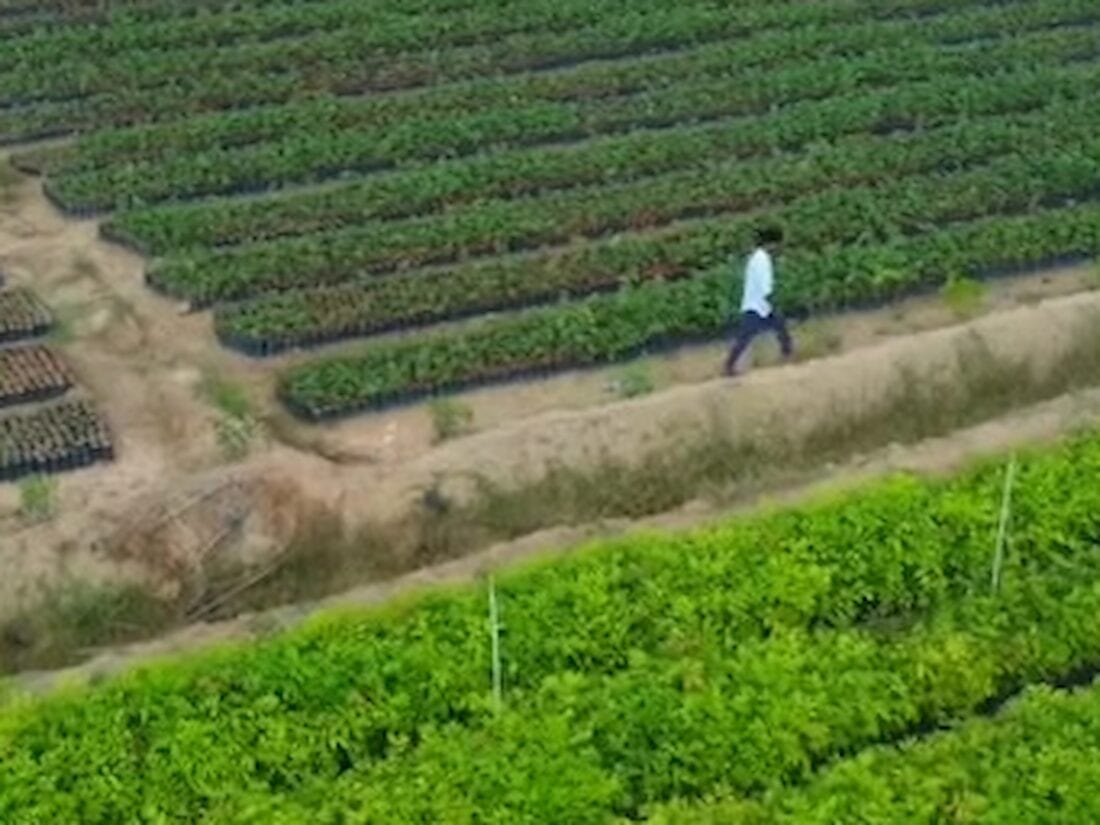
Nursery ground divided into planting blocks, seen from above
Teak planks worked into a heavy gate, grain running vertically

From The Nursery

Walk the rowswith us.

Short films shot at the nursery and out on the plantation. Three of seven here; the rest sit on the pages they belong to.

The proprietor of Ganesh Nursery

The Person Behind It

Someone has tothink in decades.

“A nursery can sell you a plant in an afternoon. Teak asks you to care about what that plant becomes forty years from now, when the decision is no longer yours to make. That is the part I take seriously.”

Ganesh Nursery has been putting plants into Tamil Nadu soil since 1980. Burma Teak Plant is what happens when that habit is pointed at a tree you will not live to cut.

Our Story

Our Journey

Four decadesof planting.

  1. 1980

    Foundation

    Ganesh Nursery is established at Gandarvakottai, near Thanjavur, supplying timber saplings, fruit trees and native plants to growers across Tamil Nadu.

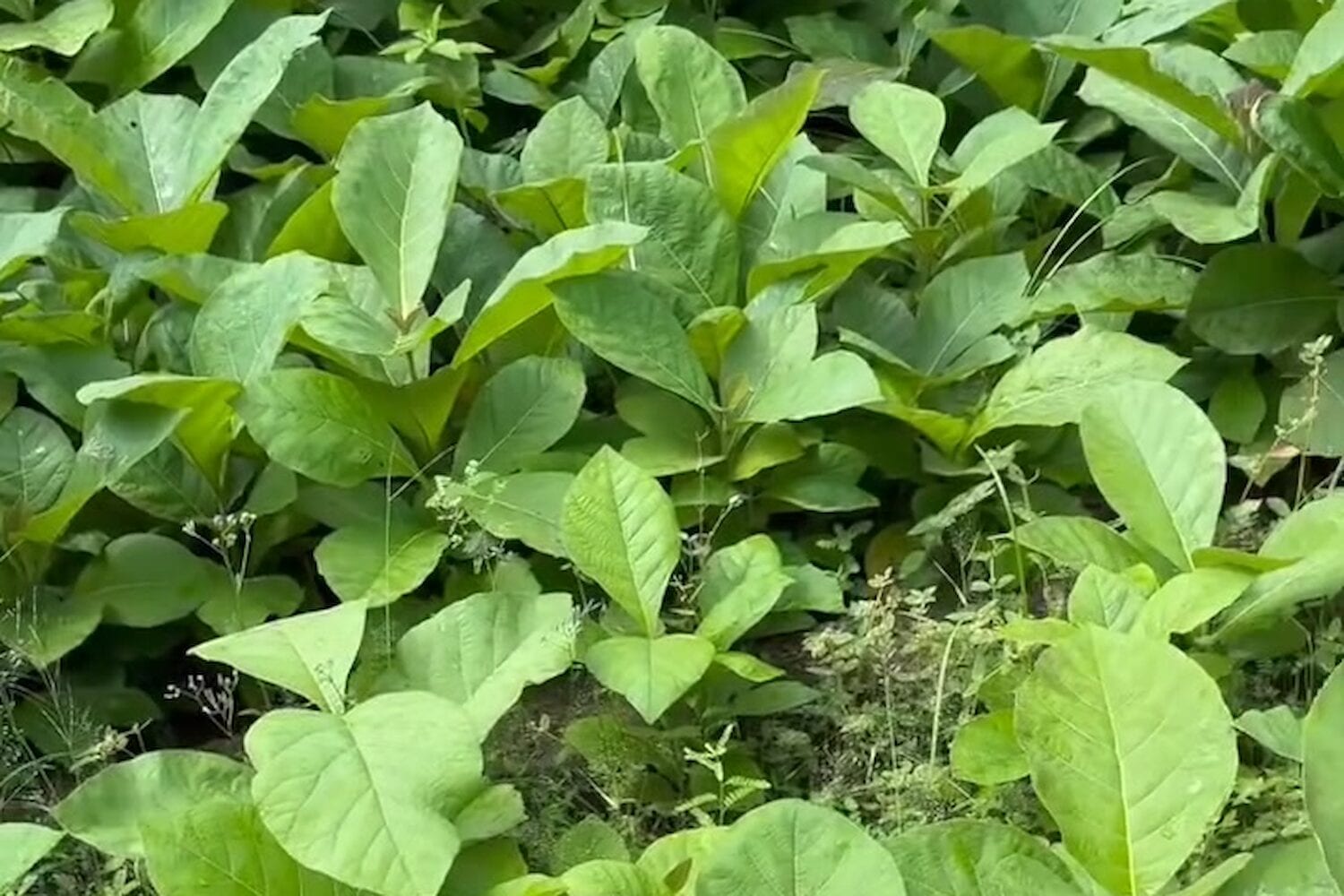
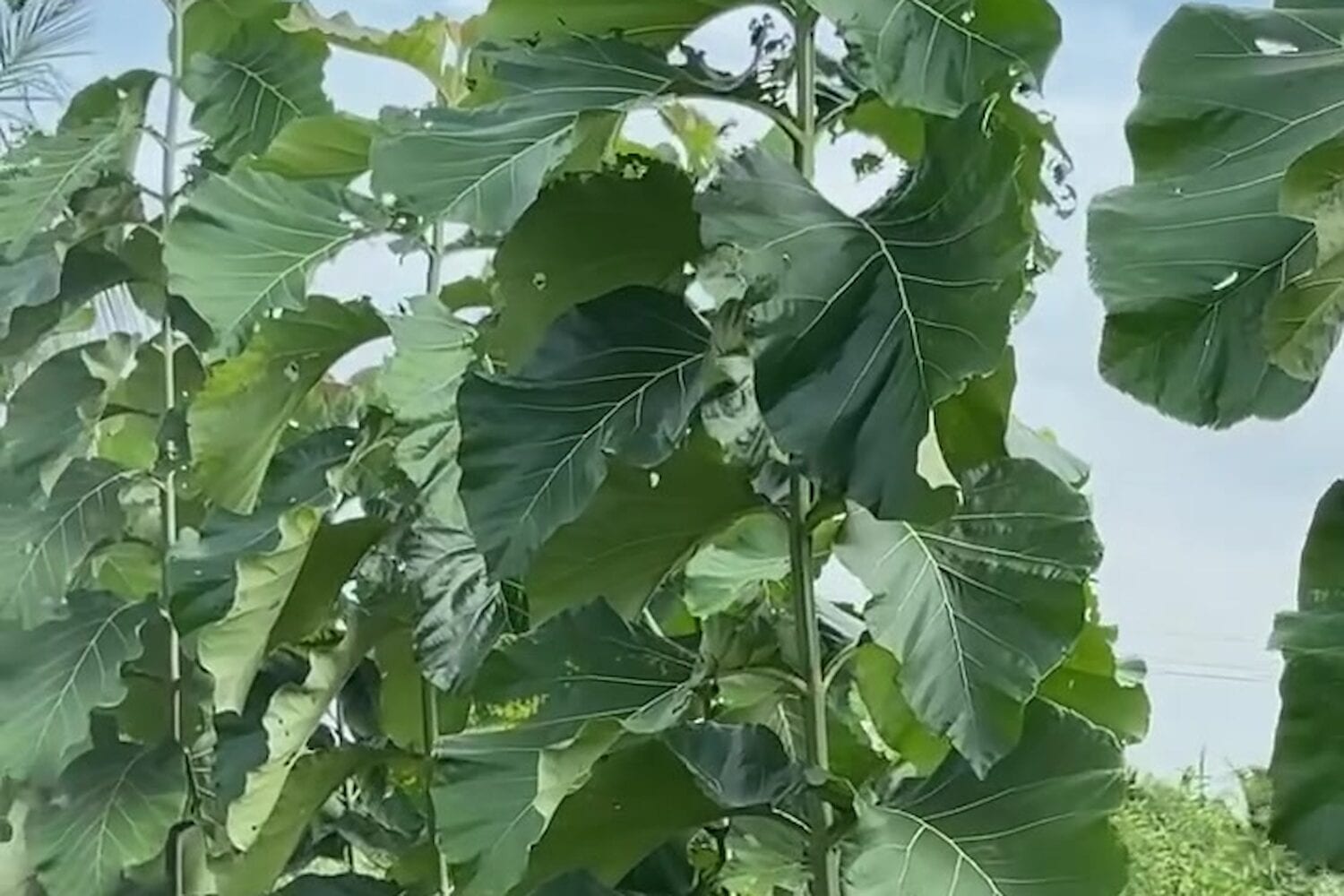
    Broad teak leaves in the nursery beds
  2. Stage 02

    Plantation Development

    Focus widens from supplying saplings to developing full teak plantations — site assessment, spacing, planting and early-growth care.

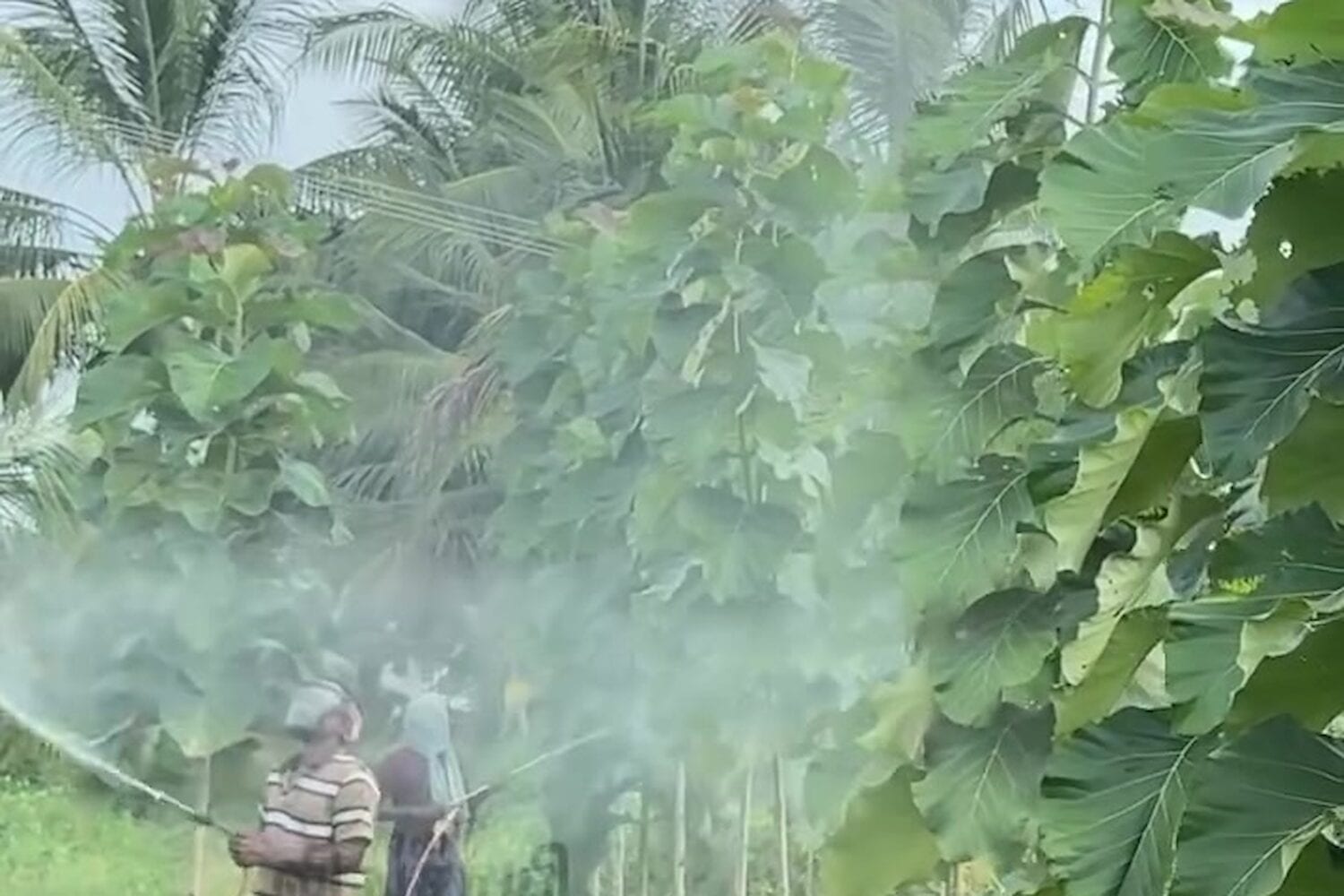
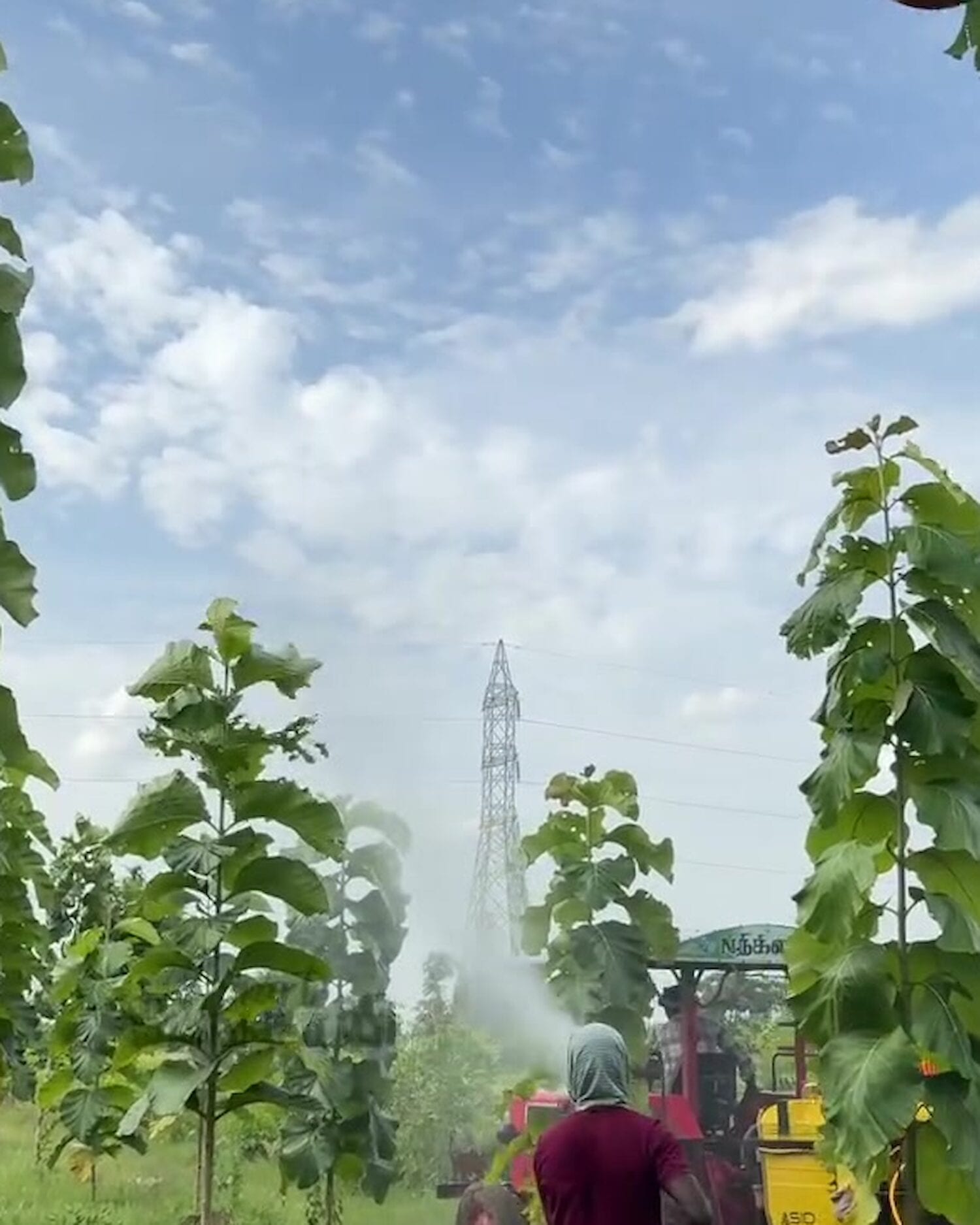
    Spraying a young teak stand
  3. Stage 03

    Growth

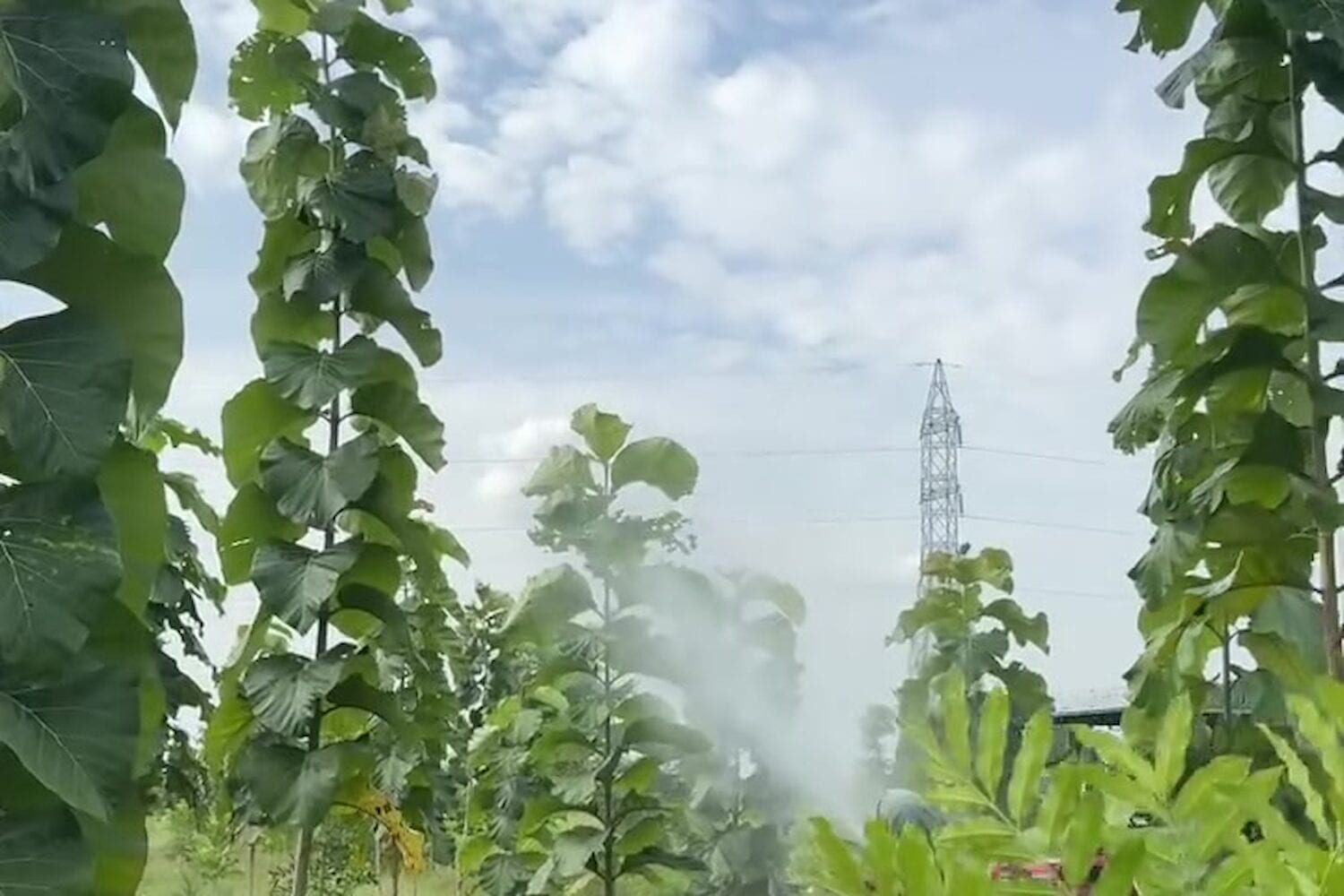
    Young teak standing against open sky
  4. Stage 04

    Expansion

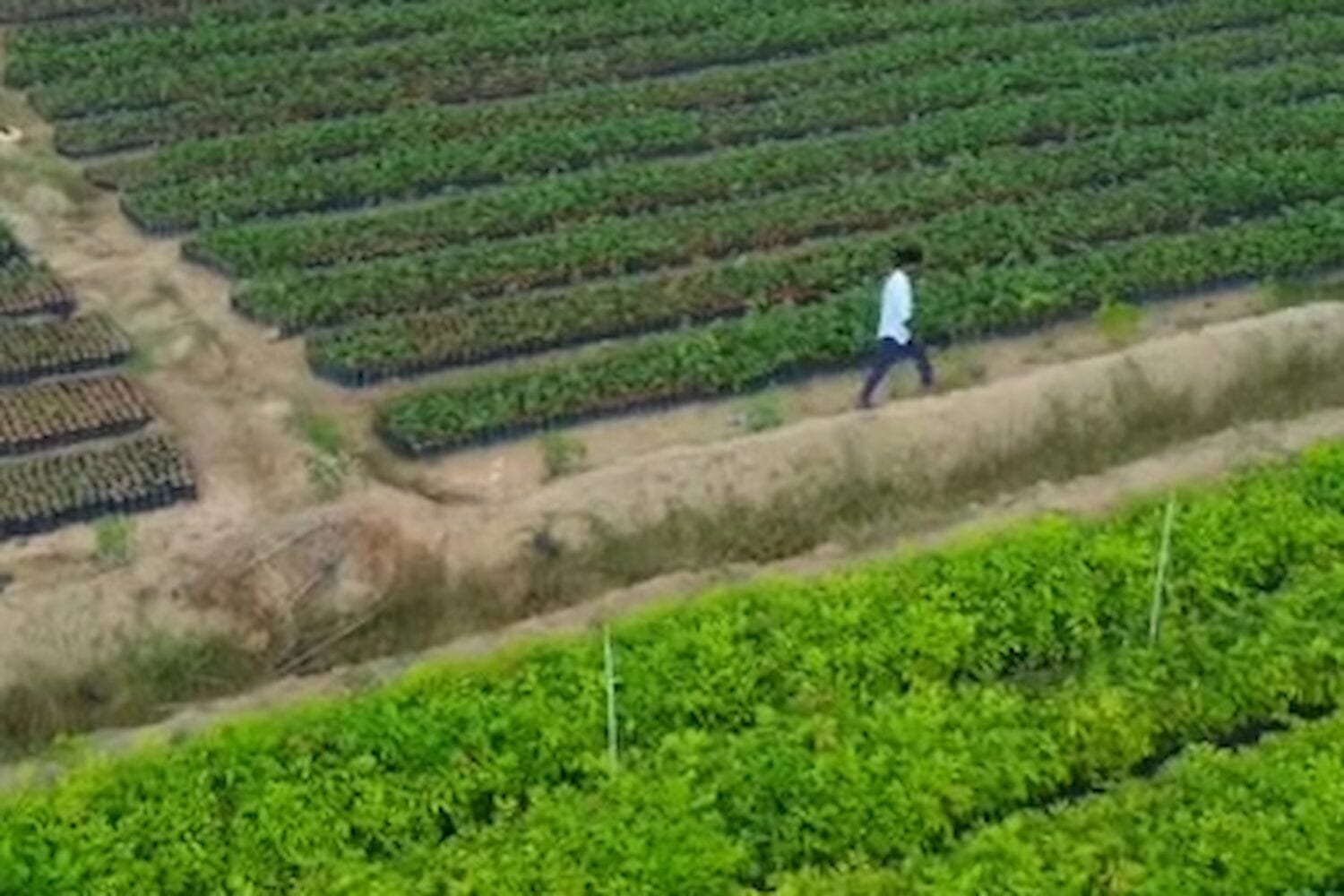
    The nursery grounds seen from above
  5. Ahead

    Future Vision

    Burma Teak Plant continues to grow teak the long way — stands established with care today, handed on as timber and as land in better condition than we found it.

    Young teak reaching toward the sky

Plant something that outlives you.